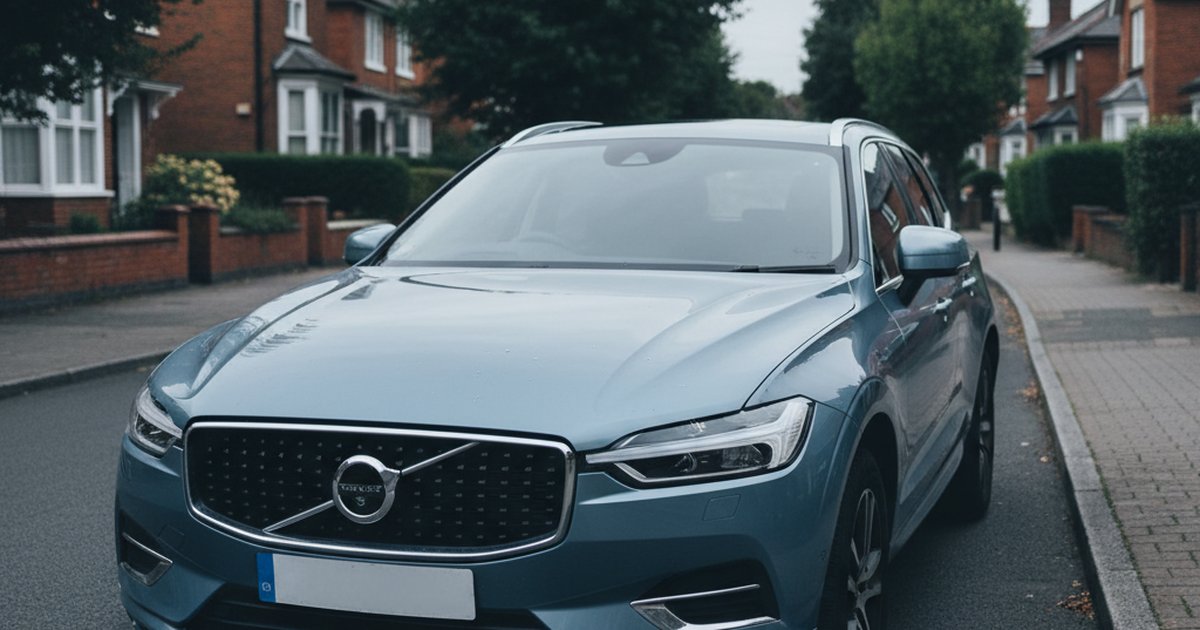
The Volvo XC60 is supposed to be the sensible choice in the premium SUV market. Safe, comfortable, Swedish - what could go wrong? According to 826,970 MOT tests across 91,898 vehicles, quite a lot actually. We have found some glaring differences between model years and fuel types that will save you thousands if you pay attention.
The data comes from DVSA MOT records, and it paints a clearer picture than any dealer forecourt chat. Some XC60s sail through their MOTs year after year. Others rack up defects and dangerous failures at alarming rates. The gap between the best and worst examples is enormous, and fuel type matters more than you would think.
We analysed every diesel, petrol, and hybrid XC60 from 2010 onwards. The numbers tell us which years hold up, which fall apart, and where the sweet spot sits for used buyers in the UK market.
TL;DR: 2018 diesel XC60s are the reliability champions with an 89.7% MOT pass rate and sensible mileage averages around 9,268 miles per year. Avoid 2015-2016 diesels - they score barely 560-603 on our reliability index and show dangerous defect rates pushing 38%. Petrol models run cleaner through MOTs but cost more to buy.
Which Fuel Type Actually Lasts Longer?
The petrol versus diesel question is not academic with the XC60. Petrol models consistently score higher on MOT pass rates across nearly every model year, but the sample sizes tell a different story about what British buyers actually chose. For every petrol XC60 on UK roads, there are roughly 30 diesel equivalents. This is a diesel-dominated model, which means finding a clean petrol example will cost you.
Take 2018 as an example. The diesel variant manages an 89.7% pass rate from 38,490 tests. Respectable. The petrol version? 90.1% from 17,850 tests. The difference is marginal, but the dangerous defect rates diverge more dramatically. Diesel examples from that year show dangerous faults in 23.8% of tests, while petrols sit at 24.3%. Nearly identical, which contradicts the usual petrol-equals-cleaner narrative.
Where petrol wins is in the wear-and-tear department. Petrol XC60s average fewer defects per test (typically 1.1-1.2 issues) compared to diesels (1.4-1.6 issues). They also clock lower annual mileage - petrol owners average 6,500-7,700 miles yearly while diesel drivers put on 8,400-9,400 miles. If you want a pampered example, look for petrol. If you need something that has already proven it can handle motorway miles without falling apart, a well-maintained diesel is the pragmatic choice.
The hybrid models (marketed as T8) appeared from 2017 onwards and show middling reliability scores. The 2017 hybrid managed just 462 on our reliability index - the worst score in the entire dataset. By 2018-2019, hybrids improved to around 587-620, but that is still below equivalent petrol and diesel variants. Early adopters paid the price for unproven technology.
Why Do So Many XC60s Fail on Safety Issues?
The dangerous defect rates on diesel XC60s are frankly shocking. Between 2010 and 2016, roughly 40% of diesel models showed at least one dangerous fault during their MOT history. That is not a typo. Four in ten diesel XC60s from this era have flagged something serious enough for the DVSA to classify it as an immediate road safety risk.
The culprit is rarely catastrophic mechanical failure. Instead, it is a combination of suspension wear, brake component degradation, and tyre management. Suspension arm pins and bushes feature heavily in the defect lists, particularly on the trailing arms and anti-roll bar linkages. These components wear gradually, but Volvo's setup seems prone to exceeding safe tolerances faster than rivals.
Brake pads appear in 10-22% of all MOT tests depending on the year, which is high for a premium SUV. Owners are clearly running pads down to the metal before replacing them, possibly because Volvo main dealer servicing costs discourage preventive maintenance. Independent garages report that XC60 brake components are not cheap, and many owners defer the work until MOT time forces the issue.
Tyre troubles: Tyres worn close to the legal limit appear in 20-31% of tests across all model years. This is partly owner behaviour, but the XC60's kerb weight (over 1,900kg even in base spec) accelerates tyre wear. Factor in replacement costs when budgeting.
The good news? Dangerous defect rates drop sharply from 2017 onwards, falling to around 21-30% by 2018-2019. Later models either use better components or benefit from younger, more attentive ownership. Either way, the improvement is measurable and significant.
Which Years Should You Avoid Completely?
The 2016 diesel XC60 is a car to walk away from. It scores just 560 on our reliability index - the single worst year for diesel variants. The MOT pass rate (83.9%) is not terrible on paper, but the dangerous defect rate sits at 38.2%, and these cars average 1.4 issues per test. With over 15,000 examples in the dataset, this is not a statistical anomaly. These cars are problematic.
The 2015 diesel is barely better at 603 on the reliability scale. Nearly 38% of these models have logged dangerous defects. The pattern is consistent: mid-2010s diesel XC60s were either built during a quality dip or have aged particularly badly. First MOT pass rates for these years (84-85%) suggest they left the factory acceptable, but degraded faster than earlier or later examples.
The 2017 hybrid deserves special mention for scoring just 462 - the absolute nadir across all fuel types and years. Only 177 vehicles in the sample, but the failure rate and defect patterns are grim. This was Volvo's first serious attempt at plug-in hybrid technology in the XC60, and the teething problems are obvious in the MOT data. If someone offers you a 2017 T8 cheaply, you now know why.
Interestingly, the very earliest diesels (2010-2012) are not as bad as the 2015-2016 models. The 2010 diesel scores 681, comfortably ahead of anything from 2015-2017. If you are shopping at the cheaper end of the XC60 market, a higher-mileage 2010 model is statistically safer than a 2016 with fewer miles. This defies conventional used car wisdom but the data is unambiguous.
What Are the Most Reliable XC60 Model Years?
The 2018 diesel XC60 is the standout choice for reliability. It scores 682 on our index and passes 89.7% of MOTs - a significant jump from the preceding years. Dangerous defect rates drop to 23.8%, and average defects per test fall to 1.1. This is the year Volvo got the diesel variant properly sorted. With 6,774 vehicles tested, we have a robust sample size backing this conclusion.
If you want petrol and can afford the premium, 2015 and 2018 variants both score well (735 and 646 respectively) with pass rates around 87-90%. The 2015 petrol is particularly impressive with a 90.8% first MOT pass rate and just 0.7% dangerous defect rate - the cleanest sheet in the entire dataset. Only 65 vehicles in the sample, which makes it rare, but the quality is undeniable.
The 2019 models across all fuel types show consistent performance in the 621-671 reliability range. Not class-leading, but solid and predictable. Brake pad wear remains the dominant issue, appearing in over 22% of tests, but that is manageable if you budget for it. These cars are young enough to still be in warranted territory if buying approved used from a dealer.
For buyers chasing value, the 2010 petrol XC60 scores a surprising 775 on reliability - second only to the 2015 petrol. Pass rates sit at 81.9%, and dangerous defects affect just 20.9% of examples. These are now 14-year-old cars, so expect higher mileage and cosmetic wear, but mechanically they are holding up better than models five years younger.
How Hard Are Owners Actually Driving These?
Annual mileage tells you a lot about how an XC60 has been used, and the numbers are revealing. Diesel owners consistently clock 8,400-9,400 miles per year regardless of model year. That is serious motorway work - the school run and supermarket crowd are not buying diesel XC60s. These are company car holdovers and long-distance commuters.
Petrol owners are gentler. Annual mileage averages just 5,870-7,700 miles depending on year, suggesting weekend use and shorter trips. The 2014 petrol variant shows the lowest annual mileage at 5,870 miles - these are genuinely cherished, low-use vehicles. If you find a petrol XC60 with 40,000 miles at seven years old, that is not unusual. It is typical for the ownership profile.
The hybrids split the difference at around 8,000-9,000 miles annually, which makes sense. Buyers paying the hybrid premium want to use the car enough to justify the cost, but are not doing the mega-miles that diesel buyers rack up. Current mileage on hybrid examples ranges from 60,000-67,000, putting them in the sweet spot for used buyers who want newer tech without absurd depreciation.
Median current mileage shows diesels from 2010-2012 sitting at 120,000-135,000 miles, while the same year petrols are at 63,000-74,000. The gap is massive, and it explains why diesel examples look cheap. They have done twice the work, and the MOT records show they have the wear to match.
What Actually Breaks on These Cars?
Tyres dominate the defect lists across all years and fuel types. Between 20% and 31% of all MOT tests flag tyres worn close to the legal limit, with edge wear particularly common. This is not just owner neglect. The XC60's weight, torque delivery, and suspension geometry conspire to eat through tyres faster than lighter rivals. Budget £600-800 for a full set of premium rubber, and expect to replace them every 18-24 months if you do typical mileage.
Brake pads are the second most common failure, appearing in 10-22% of tests. The variation depends on model year and fuel type, but the trend is consistent. Volvo brake components are not cheap, and the XC60's mass means they work hard. Front pads typically need replacement every 30-40,000 miles, rears every 50-60,000. If a seller claims 'full service history' but the MOT shows advisories for brake pads at 45,000 miles, they have been skipping work.
Suspension components feature heavily on 2010-2016 models. Trailing arm bushes, anti-roll bar linkages, and suspension arm pins all wear beyond safe limits on older examples. These are not catastrophic failures, but they are expensive to fix properly. Independent specialists report costs of £300-500 per corner for suspension refurbishment, and many XC60s need multiple corners addressing simultaneously.
Tyre damage and perishing appears in 10-20% of tests, often noted as cracking in the sidewalls or tread. This suggests cars sitting unused for extended periods or being stored poorly. If you are buying an XC60 that has been off the road for months, budget for a full tyre replacement regardless of tread depth. Perished rubber is dangerous and will fail the MOT.
Do They Start Life Reliable and Then Decline?
First MOT pass rates (at three years old) range from 82% to 91% across different model years and fuel types. That is a wide spread for a premium manufacturer. The 2017 petrol variant achieves 91.5% - genuinely impressive. The 2016 diesel manages just 82.2% - poor for a car barely out of warranty.
The gap between first MOT performance and overall pass rates tells you how quickly these cars age. The 2010 diesel passed 87.2% of first MOTs but has an overall pass rate of just 79%. That is an 8-percentage-point decline, suggesting rapid deterioration after year three. Compare that to the 2018 diesel, which starts at 89.6% and maintains 89.7% overall. This car ages gracefully.
The 2015 petrol is an outlier with a 90.8% first MOT pass rate but only a 735 reliability score. This suggests it starts strong but encounters issues later in life, possibly around suspension and brake components as earlier analysis indicated. The low sample size (65 vehicles) means individual examples can skew the data, but the pattern is worth noting.
For buyers of three to five-year-old examples, this data is critical. A 2016 diesel at six years old is statistically more problematic than a 2018 diesel at five years old, despite being older. Age alone does not predict reliability with the XC60. Model year quality variations are more significant than calendar age.
Found a year you like? A good year still hides a clocked odometer, outstanding finance or a past write-off. Before you hand over any money, check the exact Volvo XC60.
Frequently asked questions
What is the most reliable Volvo XC60 year to buy in the UK?
2018 diesel models are the most reliable, scoring 682 on our index with an 89.7% MOT pass rate. For petrol buyers, the 2015 model scores 735 and shows exceptional first MOT performance at 90.8%.
Which Volvo XC60 years should I avoid?
Avoid 2015-2016 diesel models (reliability scores of 560-603) and the 2017 hybrid (scores just 462). These years show dangerous defect rates near 40% and consistent MOT issues.
Are petrol or diesel XC60s more reliable?
Petrol models pass MOTs at slightly higher rates (typically 85-90% vs 80-89% for diesel) and average fewer defects per test (1.1-1.2 vs 1.4-1.6). However, diesel examples dominate the market and the best diesel years match petrol reliability.
What are the common problems with Volvo XC60 reliability?
Tyres worn to legal limits appear in 20-31% of tests, brake pads need frequent replacement (flagged in 10-22% of MOTs), and suspension components wear prematurely on 2010-2016 models. Dangerous defect rates were 40% on early diesels but improved to 21-24% by 2018.
How many miles do Volvo XC60 owners typically drive per year?
Diesel owners average 8,400-9,400 miles annually (motorway and company car use), while petrol owners clock just 5,870-7,700 miles yearly. Hybrids split the difference at around 8,000-9,000 miles per year.
Our Verdict
The Volvo XC60 market is full of myths about Scandinavian reliability, but our analysis of 826,970 MOT tests reveals the reality. Model year matters far more than brand reputation. A 2018 diesel is genuinely dependable. A 2016 diesel is statistically trouble. The gap between them is enormous, and it will save you thousands to know which is which.
Before you buy any used XC60, check its complete MOT history with PlateInsight. We give you 5 free checks to start - enough to compare shortlisted cars and spot the ones hiding expensive defects. The data in this guide comes from real MOT records, and your next car's history is in there too. Use it.
You might also like
Check Any Vehicle's Full History
MOT results, mileage timeline, AI health score, and market valuations. New users get 5 free credits.