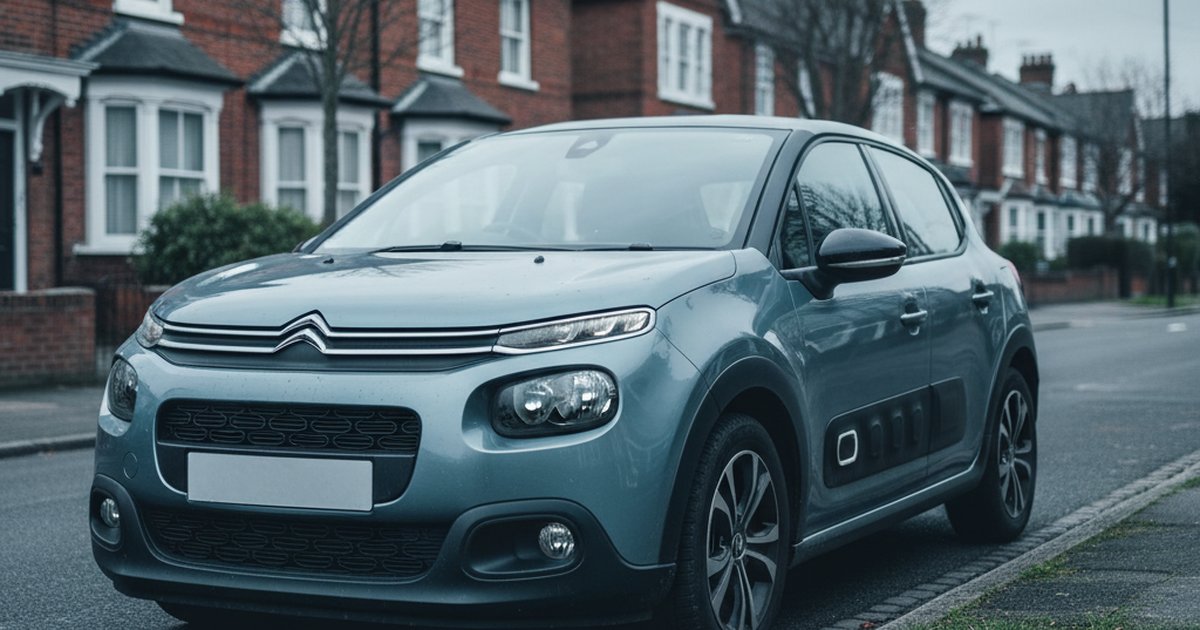
The Citroën C3 is one of those superminis that divides opinion. Some love its quirky French styling and comfortable ride, others find it frustratingly fragile. We've analysed 1,755,415 MOT tests across 161,372 vehicles to cut through the speculation and tell you exactly which years hold up and which will drain your wallet.
The data reveals a clear pattern: petrol C3s are significantly more reliable than their diesel counterparts, newer models are vastly improved over older ones, and if you're shopping for anything pre-2017, prepare yourself for suspension work and brake replacements. The 2010-2012 diesels in particular show worrying dangerous defect rates that should make any sensible buyer pause.
TL;DR: Buy a 2017-onwards petrol C3 for the best reliability (454-613/1000 scores). Avoid 2010-2016 diesels which score 333-383/1000 and show dangerous defect rates of 36-52%. The 2018-2021 petrol models offer the sweet spot of modern dependability without the premium of brand new.
Should you buy petrol or diesel?
The petrol versus diesel question isn't even close with the C3. Across every single year in our dataset, petrol models score higher reliability ratings and pass more MOTs. The gap is sometimes marginal (2019 petrol at 518/1000 versus diesel at 429/1000), but often substantial.
More concerning for diesel buyers is the dangerous defect rate. Take 2010: diesel C3s have a 51.6% dangerous defect rate versus 43.8% for petrols. That's not a typo. More than half of 2010 diesel C3s have flagged at least one dangerous issue during their MOT history. The 2012 diesels aren't much better at 47.8%.
Diesel owners also drive their cars harder. The 2019 diesel C3 averages 8,706 miles annually compared to just 6,080 for the petrol. Higher annual mileage usually correlates with more wear, which partly explains the reliability gap. But even accounting for usage patterns, the diesels consistently show more suspension and brake problems.
Data insight: From 2017 onwards, the gap narrows considerably. A 2017 diesel scores 443/1000 versus 454/1000 for petrol. If you absolutely need a diesel, buy 2017 or newer.
For most buyers, petrol is the sensible choice. You'll get better reliability, lower defect rates, and access to a much larger used market. The only argument for diesel is if you're covering serious motorway miles, but even then, the C3's petrol engines are frugal enough for most users.
Which years are most reliable?
The C3 gets dramatically better from 2017 onwards. The 2017 petrol model marks a clear turning point with a reliability score of 454/1000 and a first MOT pass rate of 90.7%. Compare that to the 2016 petrol at 418/1000 and the improvement is obvious.
The 2018-2020 petrol models are where you want to focus your search. The 2018 petrol scores 496/1000 with just 1.3 defects per test. The 2019 climbs to 518/1000. The 2020 hits 545/1000 and passes 89.8% of MOTs. These are genuinely dependable cars that won't leave you stranded.
The 2021 model achieves the highest score in the entire dataset at 613/1000, but with just 826 vehicles and 2,139 tests, that sample size is small. Still, the trend is unmistakable: newer is better with the C3, and by a significant margin.
What changed? Citroën addressed the chronic suspension issues that plagued earlier models. The anti-roll bar joints that failed on 16.6% of 2010 diesel tests are far less problematic on newer cars. Brake disc quality improved too. Where the 2012 diesel saw brake disc problems in 18.4% of tests, the 2018 petrol drops to 13.1%.
Which years should you avoid?
Stay away from 2010-2012 diesels unless you enjoy visiting garages. The 2010 diesel scores just 355/1000 with a dangerous defect rate of 51.6%. These cars average 2.4 defects per test. Top failures include tyres (20.4% of tests), anti-roll bar joints (16.6%), and brake discs (15.4%).
The 2012 diesel isn't much better at 333/1000, the lowest score in the entire dataset. Nearly half (47.8%) have dangerous defects flagged. The suspension bushes wear out, the brake discs corrode, and the tyres wear unevenly. It's a perfect storm of age-related deterioration combined with inherent design weaknesses.
Warning: If you're tempted by a cheap 2010-2014 diesel because it seems like good value, add £1,000-£1,500 to your budget for immediate repairs. These cars are cheap for a reason.
The 2015-2016 diesels show modest improvement but still score poorly (335-348/1000). The 2016 diesel in particular disappoints with a dangerous defect rate of 36.4% and frequent brake disc failures (22.8% of tests). Yes, they're slightly better than the 2010-2012 models, but that's a low bar to clear.
Even the petrol models from 2010-2014 aren't great buys anymore. While they score better than diesels (397-418/1000), they're now approaching 15 years old with median mileages of 55,000-77,000. Suspension bushes, brake components, and exhaust mounts are all due for replacement. Buy something newer unless you're mechanically minded and enjoy DIY repairs.
What are the most common faults?
Tyres dominate the failure list across all years. The C3 wears tyres unevenly, particularly on the edges, which suggests suspension geometry issues or owners who don't rotate tyres regularly. Between 14-28% of tests flag tyre problems, depending on the year.
Brake discs are the second most common failure. They corrode quickly on cars used for short journeys (which describes most C3s given the low annual mileage). The 2014 diesel sees brake disc issues in 21.5% of tests. Even the improved 2017-2019 models still show brake problems in 13-23% of tests. According to RAC breakdown data, this is a common French car trait.
Suspension components wear out prematurely, especially on older models. Anti-roll bar ball joints, suspension arm pins, and bushes all feature heavily in the defect lists. The 2010 diesel sees anti-roll bar problems in 16.6% of tests. The 2011 diesel shows suspension arm issues in 14.0% of tests. These aren't cheap fixes either. Expect £300-£500 for ball joint replacement at an independent garage.
Exhaust mounting failures plague the 2013-2016 models. The mounts corrode and fail, allowing the exhaust to hang loose. It's not dangerous but it's annoying and fails the MOT. The 2014 petrol sees this in 14.2% of tests. The 2015 petrol in 13.3%.
Buyer tip: When viewing any C3, jack it up and inspect the suspension bushes and ball joints carefully. Look for play in the anti-roll bar links. Check brake discs for deep scoring. These are the weak points.
How hard are C3s driven?
Not very. The C3 is a city car and the usage patterns confirm it. The 2011 petrol averages just 5,080 miles annually, among the lowest in the supermini class. The 2015 petrol does 4,702 miles per year. These are second cars, urban runabouts, and vehicles used for the school run.
Low annual mileage partly explains the good reliability scores on newer petrols. Cars that cover 5,000 miles a year accumulate less wear than those doing 12,000. But low mileage creates its own problems. Short journeys prevent engines reaching operating temperature, which causes condensation in the exhaust and oil system. This is why brake discs corrode so badly on the C3.
Diesel models get driven harder. The 2010 diesel averages 7,054 miles annually versus 5,290 for the equivalent petrol. The 2019 diesel does 8,706 miles versus 6,080 for petrol. Buyers who choose diesel do so because they cover more miles, which accelerates wear and explains the lower reliability scores.
Current mileages are reassuringly low across the board. The typical 2014 petrol sits at 54,721 miles. The 2017 petrol is at 48,958. The 2019 petrol shows 37,924. These are low-mileage, gently-used cars, which should make them attractive prospects. Just be aware that low mileage doesn't automatically mean well-maintained.
Do new C3s pass their first MOT?
Yes, and by comfortable margins. The 2017 petrol achieves a 90.7% first MOT pass rate, which is strong for any supermini. The 2018 petrol matches that at 90.5%. The 2019 hits 91.5%. The 2021 reaches 93.2%.
What's interesting is the minimal gap between first MOT pass rates and overall pass rates on newer models. The 2019 petrol passes 91.5% of first MOTs and 87.9% overall. That's just a 3.6 percentage point drop, suggesting these cars don't degrade rapidly with age.
Compare that to older diesels where the gap is more pronounced. The 2010 diesel passes 82.5% of first MOTs but only 71.3% overall, an 11.2 point decline. These cars fall apart faster than their newer siblings. The suspension and brake problems that emerge after year three drag down the overall pass rate significantly.
The first MOT data confirms what the reliability scores tell us: the 2017-onwards models are fundamentally better engineered cars. They leave the factory in good condition and maintain that condition longer. If you're buying a nearly-new C3 from 2020-2023, you can be reasonably confident it will pass its first MOT without drama.
What should you pay for a C3?
Pricing varies enormously based on age, mileage, and spec. We focus on reliability rather than market values, but a few observations help frame your search.
2017-2019 petrol models (the reliability sweet spot) currently trade between £7,000-£10,000 depending on mileage and trim. You're getting a car that scores 454-518/1000, passes 84-88% of MOTs, and should provide trouble-free motoring. That represents decent value in today's inflated used market.
2020-2021 petrols command £11,000-£14,000, which is steep for a supermini but reflects low mileage and strong reliability (545-613/1000 scores). If you want maximum dependability and can afford the premium, these are the ones to buy.
Older diesels from 2010-2015 have collapsed in value, with some selling for £2,000-£4,000. That looks tempting until you factor in the 333-383/1000 reliability scores and dangerous defect rates of 40-52%. Add £1,500 for immediate suspension and brake work and they're not such a bargain anymore.
According to Auto Trader listings, the market strongly favours petrols. There are five petrol C3s listed for every diesel, which tells you what buyers actually want. When it comes time to sell, you'll find the petrol easier to shift.
Found a year you like? A good year still hides a clocked odometer, outstanding finance or a past write-off. Before you hand over any money, check the exact Citroën C3.
Frequently asked questions
Are Citroën C3s reliable?
It depends entirely on the year and engine. Petrol models from 2017 onwards score 454-613/1000 for reliability and are genuinely dependable. Older diesels from 2010-2016 score just 333-383/1000 with dangerous defect rates of 36-52%. The gap between good and bad C3s is enormous.
What are the most common problems with a Citroën C3?
Uneven tyre wear (14-28% of tests depending on year), corroded brake discs (13-23% of tests), worn suspension ball joints and bushes (11-17% of tests), and failed exhaust mounts (13-14% of tests on 2013-2016 models). Older diesels also suffer frequent anti-roll bar joint failures.
Should I buy a petrol or diesel C3?
Petrol. Across every single year, petrol C3s score higher reliability ratings, have lower dangerous defect rates, and pass more MOTs. The 2018 petrol scores 496/1000 versus 446/1000 for the diesel. The only exception is if you cover very high annual mileage and need a 2017-onwards diesel.
What mileage is too high for a used C3?
Given that C3 owners average just 4,700-6,100 miles annually on petrol models, anything over 70,000 miles is high for the age. Most examples show current mileages of 38,000-55,000 depending on year. Diesels average 6,500-7,250 miles annually, so higher mileage is more normal for those.
Do Citroën C3s pass their MOT?
Newer petrols do. The 2019 petrol passes 87.9% of MOTs with a reliability score of 518/1000. The 2020 passes 89.8%. Older diesels struggle badly. The 2010 diesel passes just 71.3% of tests with a 355/1000 reliability score. Buy 2017 or newer for decent MOT pass rates.
Are 2017-2019 Citroën C3s any good?
Yes. This is when Citroën finally got the C3 right. The 2017 petrol scores 454/1000, the 2018 hits 496/1000, and the 2019 reaches 518/1000. Pass rates are 84-88% and defects per test drop to just 1.2-1.4. These are the reliable C3s you actually want to buy.
Our Verdict
The Citroën C3 proves that not all superminis age equally. The difference between a 2010 diesel (355/1000, 51.6% dangerous defect rate) and a 2019 petrol (518/1000, 15% dangerous defect rate) is night and day. Buy the wrong year and you'll fund your local garage's Christmas party. Buy the right one and you'll enjoy cheap, dependable motoring.
Our data makes the choice simple: if you want a reliable C3, buy a 2017 or newer petrol. If you're tempted by an older diesel because it's cheap, remember that 1,755,415 MOT tests. Those cars fail MOTs at alarming rates for good reason.
Want to check a specific C3 before you buy? Use PlateInsight to pull its complete MOT history including all defects, advisories, and mileage records. We'll show you exactly what's failed before and what's likely to fail next. New users get 5 free vehicle checks to get started. Don't buy blind when the data is sitting there waiting to save you from an expensive mistake.
You might also like
Check Any Vehicle's Full History
MOT results, mileage timeline, AI health score, and market valuations. New users get 5 free credits.