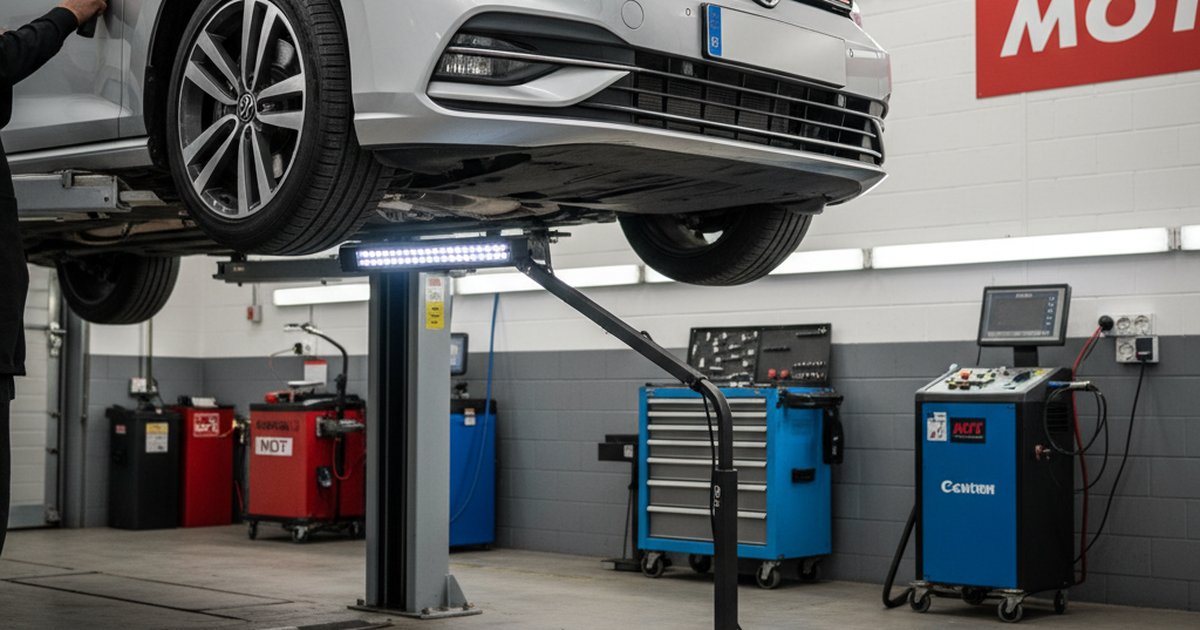
Oil leaks are one of the most common reasons cars fail their MOT, yet the likelihood varies wildly between models. We analysed 5,364,064 MOT tests across 40 different car variants to identify which vehicles are most prone to this messy, expensive problem.
The results are stark. The worst offenders show oil leak defects in nearly one in five MOT tests, while the cleanest engines can go years without dripping a drop. If you're buying used, this matters. An oil leak might be a simple gasket replacement, or it could signal a four-figure repair bill.
The data reveals clear patterns: certain engine families, particularly those from specific manufacturers during specific years, are dramatically more leak-prone than others. Japanese hybrids and modern German premium cars dominate the clean end of the spectrum, while a cluster of GM-derived diesels from the early 2010s top the problem list.
TL;DR: Chevrolet and Vauxhall models from 2010-2015 dominate the worst performers, with the Chevrolet Captiva showing oil leak defects in nearly 20% of tests. VW Polo, Toyota Prius, and premium German brands rarely develop leaks, with defect rates below 0.3%. Diesel engines show higher leak rates than petrol, and problems typically emerge around 60,000-70,000 miles on vulnerable models.
Worst cars for this defect
Best cars for this defect
Which cars are the worst oil leakers?
The Chevrolet Captiva diesel from 2012 takes the unwanted crown, with oil leaks flagged in 19.74% of MOT tests. Its sibling, the Orlando MPV (also 2012 diesel), follows at 17.6%. These aren't isolated cases. The top 20 worst performers are dominated by Chevrolet and Vauxhall models from 2010 to 2015, most of them diesels.
The Vauxhall Antara appears four times in the worst 10. This matters because the Antara, Captiva, and Orlando all share GM's 2.2-litre diesel engine and related components. The pattern suggests a fundamental design issue rather than bad luck. These engines develop leaks around the same mileage points, typically emerging between 60,000 and 70,000 miles.
The Suzuki Swift diesel and Grand Vitara diesel also feature prominently. The Swift diesel's 16.75% defect rate is particularly notable given Suzuki's generally solid reputation. The common thread here is the Fiat-sourced 1.3 Multijet diesel, which appears in both models and has a well-documented history of rocker cover gasket failure.
Vauxhall Astra petrol models from 2010-2012 break the diesel trend, appearing three times in the worst 20 despite being petrol. The J-generation Astra averages 13-14% oil leak defects, usually appearing around 60,000 miles. The culprit is typically the rocker cover gasket, a known weakness on these 1.6 and 1.4-litre units.
How bad is the problem? Worst vs best performers
| Car | Defect Rate | Earliest Mileage | Annual Mileage |
|---|---|---|---|
| Chevrolet Captiva 2012 Diesel | 19.74% | 68,316 | 7,317/yr |
| Chevrolet Orlando 2012 Diesel | 17.6% | 67,559 | 8,093/yr |
| Suzuki Swift 2012 Diesel | 16.75% | 69,109 | 7,189/yr |
| Vauxhall Antara 2012 Diesel | 15.41% | 63,460 | 7,055/yr |
| Vauxhall Astra 2011 Petrol | 14.01% | 61,685 | 6,492/yr |
| VW Polo 2019 Petrol | 0.17% | 31,477 | 6,502/yr |
| Mercedes E-Class 2018 Diesel | 0.19% | 59,273 | 9,662/yr |
| Toyota Prius 2015 Hybrid | 0.19% | 114,169 | 21,218/yr |
| Audi A1 2018 Petrol | 0.22% | 33,789 | 5,956/yr |
| Audi A3 2018 Petrol | 0.24% | 39,348 | 7,135/yr |
The gap is enormous. A 2019 VW Polo petrol is 116 times less likely to develop an oil leak than a 2012 Captiva diesel. Even accounting for age difference, the pattern holds: newer Polos and Audis remain virtually leak-free while 2013-2015 Antaras and Orlands continue to weep oil at alarming rates.
What actually causes these oil leaks?
Oil leaks develop when seals and gaskets deteriorate over time. Every engine has multiple potential failure points, but certain designs age worse than others.
Rocker cover gaskets fail most commonly. These sit atop the engine and seal the valve cover. Heat cycling, oil contamination, and poor-quality gasket material all contribute to failure. The Vauxhall Astra petrol engines are notorious for this, as are the Fiat 1.3 Multijet diesels in the Suzuki Swift. When these fail, oil seeps down the side of the engine block. Cost to fix: £100-200 at an independent garage.
Sump gaskets deteriorate from road salt and corrosion. The sump bolts to the bottom of the engine, and the gasket between them hardens over time. This is particularly common on older diesels. Repair cost: £150-300, but can run higher if corroded bolts snap during removal.
Rear main seals are the expensive nightmare. This seal sits where the crankshaft exits the engine to meet the gearbox. When it fails, you need to separate the engine and gearbox to replace it. Labour-intensive work means £500-1,000+ repair bills. The GM 2.2 diesel in the Captiva and Antara has a documented weakness here.
Turbo oil feed lines crack and weep on diesel engines, particularly those with plastic or rubber sections exposed to extreme heat. The Citroen Berlingo diesel shows defects from this issue, typically appearing around 85,000 miles.
PCV (positive crankcase ventilation) systems block up, causing pressure to build inside the engine. This pressure forces oil past seals that would otherwise hold firm. German cars with complex PCV systems can suffer if maintenance has been neglected, though the data shows modern VAG group engines handle this well.
Do diesel engines leak more than petrol?
Yes, decisively. Diesels occupy 16 of the top 20 worst performers. The engineering reasons are clear: diesel engines run higher compression, generate more heat, and typically cover higher annual mileage. The Chevrolet Orlando diesel averages 8,093 miles per year compared to just 6,862 miles for the petrol version, and the diesel variant shows a 17.6% defect rate against 13.5% for petrol.
The Vauxhall Antara data is particularly telling. Every diesel variant (2011-2015) shows defect rates above 14%. The pattern repeats across the Chevrolet models and the Citroen Berlingo commercial vehicles.
Modern diesel engines also incorporate more complex components. Turbochargers add oil feed and return lines, each a potential leak point. DPF (diesel particulate filter) regeneration cycles subject engines to extreme temperature swings, which accelerates gasket degradation.
However, this isn't a universal diesel problem. The Mercedes E-Class diesel from 2018 shows just 0.19% oil leak defects despite covering nearly 10,000 miles annually. The Audi Q5 diesel sits at 0.29%. Premium manufacturers engineer their diesels to tighter tolerances with better materials.
At what mileage do oil leaks typically appear?
The earliest mileage data reveals when problems first emerge systematically. The worst performers cluster around 60,000-70,000 miles. The Chevrolet Captiva 2012 diesel shows first defects at 68,316 miles, the Orlando at 67,559 miles, and the Vauxhall Antara at 63,460 miles.
This isn't coincidental. These are the mileage points where original gaskets and seals reach end-of-life on poorly designed engines. The cars are typically 8-10 years old by this point, and years of heat cycling have taken their toll.
Compare this to the VW Polo petrol, where defects don't appear until 31,477 miles on average. The car is younger (5-6 years old), but crucially, it's covering similar annual mileage (6,502 miles per year vs 7,317 for the Captiva). The difference is build quality, not usage pattern.
The Toyota Prius hybrid provides the most striking example. Despite showing first defects at 114,169 miles and averaging a punishing 21,218 miles annually, the defect rate remains just 0.19%. These are high-mileage minicab and Uber vehicles, worked hard, yet the engines stay sealed. Toyota's hybrid powertrain runs cooler and subjects gaskets to less thermal stress.
For buyers, this data provides a clear threshold: avoid the vulnerable GM diesel models if they're approaching 60,000 miles without documented gasket replacements. The problem is coming.
What should you check when buying used?
Oil leaks leave evidence. Before you commit to a purchase, perform these checks:
Look underneath the car. Use a torch to inspect the underside of the engine bay. Fresh oil appears dark and wet. Old leaks leave black crusty deposits. Check around the sump, along the bottom edge of the engine block, and near the gearbox bell housing. If you see oil on a car that's supposedly just been serviced, walk away.
Inspect the engine bay cleanliness. Sellers often steam-clean engines before sale to hide leaks. A suspiciously pristine engine bay on an eight-year-old car with 70,000 miles warrants extra scrutiny. Check again a week later if possible - fresh leaks will have reappeared.
Check the oil level and condition. Pull the dipstick. If the level is low and the seller has no explanation, the car is either burning or leaking oil. Check the oil cap too - creamy deposits suggest head gasket issues, while thick black sludge indicates neglected maintenance, which accelerates seal failure.
Smell for burning oil. Take a test drive and let the engine get fully hot. After 15 minutes of driving, pop the bonnet. If you smell burning oil, it's dripping onto hot exhaust components. This is a rear main seal or sump gasket leak.
Review the MOT history. Use the DVSA MOT history checker to see if oil leaks have been noted as advisories in previous years. If a leak was flagged two years ago but the seller claims it's fine now, ask for proof of repair. Leaks don't heal themselves.
For high-risk models like the Chevrolet Captiva or Vauxhall Antara, insist on an independent pre-purchase inspection. A qualified mechanic can spot leaks you'll miss and put the car on a ramp for proper underneath examination. Costs £100-150 but can save you thousands.
Are certain manufacturers more leak-prone?
The data points to a clear hierarchy. General Motors-derived engines from the early 2010s are disaster zones. Chevrolet withdrew from the UK market in 2015, partly due to quality issues with these exact models. The shared GM 2.2 diesel platform appears in the Chevrolet Captiva, Orlando, and Vauxhall Antara, and all show defect rates above 15%.
Vauxhall's petrol engines from this era also struggle. The 1.4 and 1.6-litre turbocharged units in the Astra (2010-2012) show 12-14% defect rates, significantly worse than rivals. These engines were designed for cost, not longevity, and it shows in the MOT data.
At the opposite end, the Volkswagen Group dominates the cleanest cars. VW Polo, Audi A1, Audi A3, and Audi Q5 all appear in the best performers with defect rates below 0.3%. The VAG group's EA211 petrol engines and modern TDI diesels use superior gasket materials and better thermal management.
Japanese manufacturers split into two camps. Toyota and Honda excel - the Prius and Civic both show defect rates around 0.2-0.3%. However, Suzuki's reliance on Fiat's 1.3 Multijet diesel pulls their numbers down dramatically, with the Swift diesel at 16.75%.
Mercedes-Benz impresses across the board. The E-Class and C-Class diesels show defect rates of 0.19% and 0.28% respectively, despite high annual mileage. German premium manufacturers clearly invest in better sealing technology.
French brands show mixed results. The Renault Captur performs well at 0.22-0.25%, but the Citroen Berlingo diesel struggles at 14.05%. The difference here is usage: Berlingo vans work hard and cover high mileage (8,864 miles per year), accelerating wear.
How much does it cost to fix an oil leak?
Repair costs vary wildly depending on which component fails and how accessible it is.
Rocker cover gasket: £100-200. The simplest repair. Takes 1-2 hours at an independent garage. Parts cost £20-40, the rest is labour. If you're quoted more than £250, shop around.
Sump gasket: £150-300. More labour-intensive because the sump needs to be dropped. Can run higher if undertray removal is difficult or sump bolts are corroded. Budget £200-250 at an independent, £300-400 at a main dealer.
Oil filter housing gasket: £120-180. Common on some engines, particularly BMW and VAG diesels not in our dataset. Quick job, modest cost.
Turbo oil feed lines: £200-400. Parts are cheap but access is difficult. Expect 3-4 hours labour. Mainly affects diesels.
Rear main seal: £500-1,000+. The nightmare scenario. Requires gearbox removal on most cars. At a main dealer, budget £800-1,200. Independent specialists might do it for £500-700. On a Chevrolet Captiva or Antara worth £3,000-4,000, this repair approaches economic write-off territory.
Timing cover gasket: £400-800. Major job requiring timing belt/chain removal. Only worth doing if the belt is due for replacement anyway. Otherwise, consider if the car is worth the investment.
The RAC and AA both report that oil leak repairs range from minor to catastrophic in cost. The problem is uncertainty - when you buy a car with a small leak, you don't know which category it falls into until a mechanic investigates.
On the vulnerable GM diesel models, factor in an eventual £500-800 rear main seal replacement if you're buying at 60,000-70,000 miles. On a VW Polo or Audi A3, you can reasonably expect to never face this repair.
Which cars should you buy to avoid oil leaks?
If oil leak avoidance is your priority, the data provides clear winners.
VW Polo (2018-2019 petrol): Defect rates of 0.17-0.18% make this the cleanest car in the dataset. The EA211 1.0 TSI engine is well-proven. Typical examples have around 30,000 miles and average just 6,500 miles annually - these are lightly-used urban cars. For broader context on dependability, see our overall reliability rankings.
Toyota Prius (2014-2015 hybrid): Defect rates around 0.19-0.28% despite brutal mileage. These cars average 100,000+ miles and cover 20,000 miles annually. If a hybrid powertrain doesn't scare you, these are bomb-proof. The regenerative braking and cooler-running engine contribute to exceptional gasket longevity.
Audi A1/A3 (2017-2018 petrol): Premium build quality shows in the numbers. Defect rates below 0.26%, with typical mileage around 35,000. These cars cost more to buy but save money on repairs. The VAG 1.4 TFSI and 1.0 TFSI engines are among the best sealed units in production.
Mercedes E-Class/C-Class (2018 diesel): For diesel buyers, these are the safe choice. Defect rates of 0.19% and 0.28% respectively, despite covering nearly 9,000 miles per year. Mercedes OM654 diesel engines use superior materials throughout.
Honda Civic (2016 petrol): Just 0.27% defect rate with 35,000 typical miles. Honda's reputation for reliability is deserved. The 1.0 VTEC Turbo and 1.5 VTEC units rarely develop leaks even as they age.
Renault Captur (2014-2016 diesel): Budget-friendly option with defect rates of 0.22-0.25%. The 1.5 dCi engine is robust. Typical mileage sits around 45,000-55,000 miles. Not premium, but dependable.
Want to know if the car you're viewing has a history of this? Its MOT record shows every advisory and failure, free to check.
Frequently asked questions
Which car brand has the most oil leak problems?
Chevrolet shows the highest oil leak defect rates, with the 2012 Captiva diesel at 19.74% and Orlando diesel at 17.6%. Vauxhall follows closely, with Antara models showing 14-16% defect rates. Both brands share GM's problematic 2.2-litre diesel engine from the early 2010s.
At what mileage do oil leaks typically start?
On vulnerable models like the Chevrolet Captiva and Vauxhall Antara, oil leaks typically appear around 63,000-70,000 miles. Well-engineered cars like the VW Polo and Toyota Prius rarely develop leaks even beyond 100,000 miles.
Are diesel or petrol engines more prone to oil leaks?
Diesel engines show significantly higher oil leak rates. Diesels occupy 16 of the top 20 worst performers in our data. Higher compression, more heat, and additional turbo oil lines all contribute to increased leak risk.
How much does it cost to fix an oil leak?
Simple rocker cover gasket repairs cost £100-200. Sump gaskets run £150-300. Rear main seal replacement, the expensive job, costs £500-1,000+ due to gearbox removal labour. On older, low-value cars like the Captiva, this repair can exceed the vehicle's worth.
Can I drive with a small oil leak?
Small leaks worsen over time and can cause MOT failure. More importantly, low oil levels from ongoing leaks risk catastrophic engine damage. Check oil levels weekly if you have a leak and get it repaired promptly - neglect turns a £150 gasket job into a £3,000 engine replacement.
Our Verdict
Oil leaks aren't inevitable. The data proves that well-engineered cars from manufacturers like VW, Toyota, Honda, and premium German brands can run for years without weeping a drop. The problem lies with specific engine families from the early 2010s, particularly GM's diesel range and some Vauxhall petrol units.
If you're buying used and oil leak avoidance matters to you, stick to the proven performers. A 2018 VW Polo or Audi A3 will cost more upfront but save you hundreds in repairs. A Toyota Prius will run to 150,000 miles without drama. Avoid the Chevrolet models entirely - they're cheap for a reason.
Before buying any used car, check its full MOT history free with PlateInsight's 5 free credits. Look for oil leak advisories in past tests. If they're present and the seller hasn't had them repaired, factor repair costs into your offer or walk away. The MOT records tell the truth that sellers often won't.
You might also like
Check Any Vehicle's Full History
MOT results, mileage timeline, AI health score, and market valuations. New users get 5 free credits.