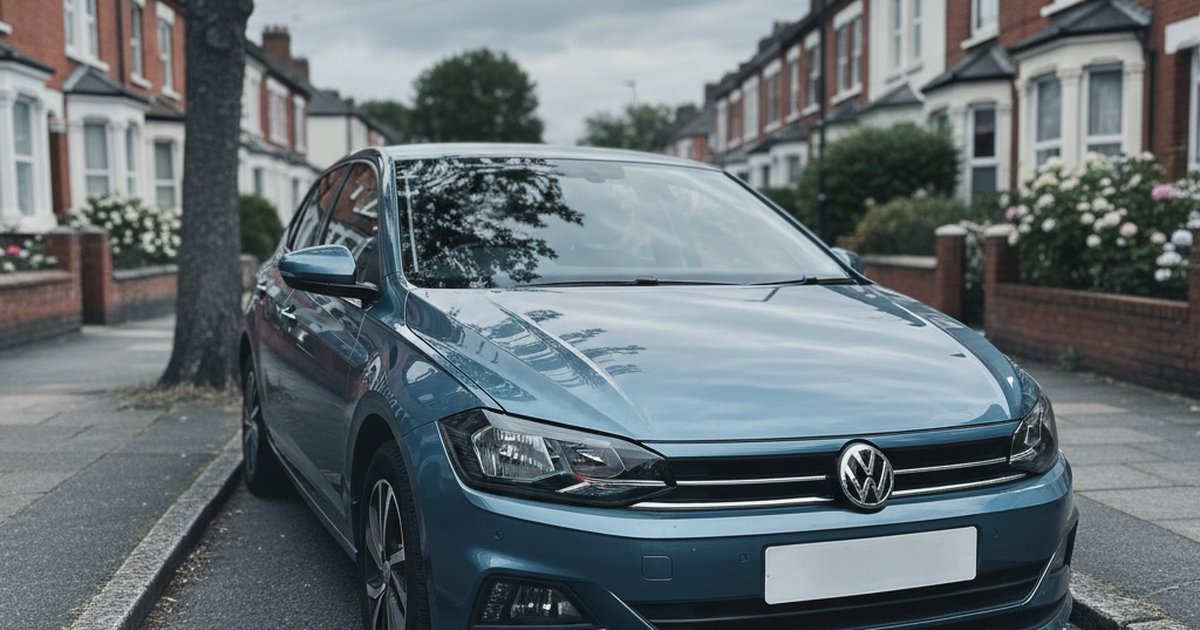
The Volkswagen Polo is Britain's dependable daily driver - the sensible choice that quietly racks up miles without fuss. Or so the reputation goes. We've analysed 4,724,597 MOT tests across 476,141 Polos to see if that reputation holds water, and the results reveal a model that transformed from merely adequate to genuinely impressive around 2015.
The data tells a clear story: early 2010s Polos were decent but unremarkable, hampered by suspension wear and shock absorber failures. Then VW seemed to get serious. The 2015-2017 generation represents the sweet spot, combining proven reliability with modern features and still-affordable prices. Buy a 2022 petrol Polo and you're looking at a 92.5% MOT pass rate, but those early diesels? A very different picture.
TL;DR: Petrol Polos from 2015 onwards are the models to hunt for, with 2016 scoring 537/1000 for reliability and 90.1% first MOT passes. Diesel variants consistently underperform their petrol siblings - the 2016 diesel scores just 398/1000 compared to 537 for the petrol. Avoid 2010-2014 diesels unless you fancy replacing suspension bushes.
Should You Buy a Diesel Polo or Stick to Petrol?
The MOT data presents an uncomfortable truth for diesel Polo buyers: you're consistently getting a worse car. Across every model year, diesel Polos score lower reliability ratings and higher dangerous defect rates than their petrol counterparts.
Take 2016 as the clearest example. The petrol version scores 537/1000 for reliability with a 90.1% first MOT pass rate. The diesel from the same year? Just 398/1000 and 82.8% first MOT pass. That's not a minor difference, that's a chasm. The diesel also logs 7,666 miles annually compared to 5,819 for petrol, suggesting harder use, but that doesn't explain away suspension bushes pulling through their mountings (17.2% of diesel tests versus essentially non-existent on petrol models).
Diesel Polos also show persistently high dangerous defect rates. The 2014 diesel sits at 44.7% compared to 33.9% for the petrol. By 2017, petrol models have dropped dangerous defects to 25.8% while diesels remain stubbornly at 35.8%. Owners are driving diesels harder (often 2,000+ more miles per year), but the cars aren't coping as well with the workload.
Tyre wear tells the story: On 2016 diesels, 33.1% of MOT tests flag tyres worn to the legal limit. On 2016 petrols, it's 25.8%. Higher mileage explains some of this, but not all. Diesel Polo buyers are getting a car that wears faster and costs more to maintain.
Unless you're genuinely covering 15,000+ miles per year, the petrol makes more sense. The fuel saving won't offset the higher maintenance costs and worse reliability record.
Which Years Deliver the Best Reliability?
The Polo's reliability trajectory shows a steady upward climb from 2010 to 2022, with a notable leap happening around 2015. The 2022 petrol model hits 580/1000 reliability and a 92.5% pass rate, but you're paying a premium for what is essentially a new car. Better value sits in the 2015-2017 window.
The 2016 petrol Polo represents peak value. With a 537/1000 reliability score and 90.1% first MOT pass rate, it's performing at near-2022 levels but costs thousands less. Average current mileage sits at 57,100, suggesting these cars have been used gently (5,819 miles annually), and they're picking up just 1.4 defects per test. That's genuinely impressive for a car approaching its eighth birthday.
Close behind, the 2015 petrol scores 533/1000 with an 88.2% first MOT pass rate. These cars are now at around 63,538 miles, still well within their service life, and defects per test remain low at 1.5. The DVSA MOT data shows dangerous defect rates dropping to 31.7% by 2015, down from over 40% in earlier years.
The 2017 petrol model is worth considering if budget allows. At 483/1000 (slightly lower than 2015-2016, which is curious), it posts a stellar 91.7% first MOT pass rate and dangerous defects have fallen to just 25.8%. Current mileage averages 50,298 with owners covering 5,756 miles per year - classic gentle-use territory.
Avoid getting seduced by the 2022-2023 models unless you need a near-new car. Yes, they score higher, but you're paying new car prices for incremental gains. The 2016 offers 90% of the reliability at 60% of the cost.
Which Polo Years Should You Steer Clear Of?
The 2010-2013 diesels are where MOT dreams go to die. The 2011 diesel scores a dismal 376/1000, the lowest in the entire dataset. Pass rates hover around 72-74%, and dangerous defect rates consistently exceed 45%. These cars are now at 107,000+ miles on average, and they're worn out.
The problem isn't just age. The 2010 diesel shows 50.0% of vehicles with dangerous defects flagged. That means if you buy one, you've got a coin flip chance of discovering something immediately life-threatening at the next MOT. Suspension bushes wear excessively (13.4% of tests on 2011 diesels), shock absorbers leak oil (17.8%), and tyres wear to the legal limit faster than you can say 'false economy'.
Even the petrol models from 2010-2012 aren't great. The 2010 petrol scores 481/1000, which sounds acceptable until you realise 2016 models score 537. The dangerous defect rate sits at 41.5%, and shock absorbers develop oil misting in 15.5% of tests. That's a critical safety component failing at nearly twice the rate of 2015+ models.
The suspension problem: Early Polos suffer chronic suspension wear. The 2011 diesel shows 13.4% of tests flagging excessively worn suspension arms. By 2016, that figure drops dramatically as VW improved component quality. If you're viewing a 2010-2013 Polo, crawl underneath and check those bushes yourself.
The 2013 diesel is marginally better at 365/1000, but 'better' is relative when dangerous defects still affect 44.8% of vehicles. You can find examples that have been well maintained, but the odds aren't in your favour. According to What Car? owner surveys, early diesels also suffer DPF issues not captured in MOT data.
What Actually Goes Wrong With Polos?
Tyres dominate the failure list across all years, which isn't a car fault but does tell you something about ownership patterns. Between 17-33% of MOT tests flag worn tyres, with diesels consistently higher than petrols. Polo drivers squeeze every last mile from their rubber, often to their detriment.
Shock absorbers are the real mechanical Achilles heel, particularly on 2010-2014 models. Oil misting affects 15-17% of tests on early cars, indicating seals failing prematurely. This isn't just a comfort issue. Failed dampers compromise braking and handling, and the RAC notes that worn dampers increase stopping distances by up to 20%.
Suspension bushes tell the diesel story. On 2016 diesels, 17.2% of tests flag excessively worn bushes, often pulled completely through their mountings. The petrol equivalent? Maybe 10-11%. The diesels are being worked harder (higher annual mileage) and the suspension can't cope. By contrast, 2018+ models show dramatically improved bush durability.
Brake discs wear predictably, showing scoring and pitting on 11-15% of tests depending on year. This is normal wear and tear, not a design flaw, but factor £150-250 for discs and pads when budgeting. The 2018+ models show cleaner brake wear patterns, likely due to improved pad compound and better caliper design.
The mystery of the 2014 diesel tyres: An astonishing 29.9% of 2014 diesel MOT tests flag tread depth below 1.6mm, with another 12.3% showing exposed plies or cords. This isn't a car problem, it's an owner problem. These cars are being driven on dangerous rubber by people stretching service intervals too far.
Track rod end dust covers fail increasingly on 2018+ models (9.7% of tests), but this is a minor advisory rather than a serious defect. It's also cheap to fix. The fact that this makes the top three problems on newer Polos tells you how much reliability has improved.
How Hard Are Polo Owners Actually Driving These Cars?
Polo ownership falls into two distinct camps: gentle urban drivers covering around 5,800 miles per year in petrols, and diesel buyers averaging 7,600-8,800 miles annually. This split explains much of the reliability difference.
Petrol Polos are classic second cars and city runabouts. The 2016 petrol averages just 5,819 miles per year and currently sits at 57,100 miles total. That's barely 7,100 miles per year when you account for age. These are cars doing school runs and supermarket trips, not motorway slogs. The gentle use shows in the MOT results: fewer defects, less tyre wear, better pass rates.
Diesel Polos work harder. The 2016 diesel logs 7,666 miles per year, nearly 2,000 more than the petrol. That's an extra 25% wear and tear annually. But here's the puzzle: 7,666 miles per year isn't high-mileage motoring. You'd typically need 12,000+ to justify diesel ownership financially. Many diesel Polo buyers made the wrong powertrain choice, and they're paying for it in maintenance costs.
The 2019 diesel shows the most extreme use at 9,314 miles per year, probably fleet buyers or long-distance commuters. Even so, at current fuel price differentials, you'd struggle to make the diesel economics work. You're not saving enough on fuel to offset the £500+ extra you'll spend on suspension bushes and more frequent brake jobs.
Current mileage readings are revealing. The 2010 petrol sits at 88,606 miles after 14 years (6,300 miles per year when accounting for age), while the 2010 diesel has covered 114,485 (8,200 miles per year). Both have plenty of life left, but the diesel has already needed far more intervention to stay roadworthy.
What Should You Actually Pay for a Used Polo?
The MOT data gives us leverage points for negotiation. A 2016 petrol with 60,000 miles and full MOT history should command a premium - you're buying into a 537/1000 reliability score and 90% chance it'll breeze through future MOTs. Budget £8,500-10,500 depending on spec and condition.
That same money gets you a 2018-2019 diesel with higher mileage, but our data shows you're buying a worse car. The 2018 diesel scores 434/1000 compared to 447 for the petrol, and dangerous defect rates remain stubbornly high at 22.1%. Unless it's priced at a significant discount (£1,500+ less than the equivalent petrol), walk away.
Early 2010-2012 models have fallen into banger territory, often listed at £2,500-4,000. The MOT data suggests this is appropriate - you're buying a car with 40%+ dangerous defect rates and reliability scores in the 400s. These make sense only as short-term runabouts where you're planning to scrap them when the next big bill arrives. Check suspension bushes and shock absorbers obsessively before buying.
The 2015 petrol represents the sweet spot for value buyers. Typically £7,000-9,000 with 65,000 miles, you're getting 533/1000 reliability and modern Euro 6 emissions compliance. The dangerous defect rate has dropped to 31.7%, meaningfully better than earlier years, and defects per test average just 1.5. That's a car that won't constantly nickel-and-dime you.
Use the PlateInsight app before making any offer. If the specific car you're viewing has failed multiple MOTs or shows patterns of suspension/brake failures, that's worth £500-1,000 off the asking price minimum. A clean MOT history on a 2016 petrol Polo, by contrast, justifies paying closer to the top end of market value.
The first MOT cliff: Cars approaching their first MOT at three years old show big differences. 2016 petrols pass at 90.1%, while 2013 diesels manage just 77.4%. This 13-percentage-point gap persists throughout the car's life. A dealer selling a 2013 diesel 'with long MOT' might be shifting a problem before it surfaces.
Found a year you like? A good year still hides a clocked odometer, outstanding finance or a past write-off. Before you hand over any money, check the exact VW Polo.
Frequently asked questions
What is the most reliable VW Polo year?
The 2022 petrol Polo scores highest at 580/1000 with a 92.5% pass rate, but for value, the 2016 petrol at 537/1000 offers nearly identical reliability at a fraction of the price. Avoid 2010-2013 diesels which score as low as 376/1000.
Are diesel VW Polos reliable?
No, diesel Polos consistently underperform petrol models. The 2016 diesel scores 398/1000 compared to 537 for the petrol, shows 41.6% dangerous defect rates versus 28.8%, and suffers chronic suspension bush failures affecting 17.2% of tests. Unless you cover 15,000+ miles yearly, choose petrol.
How many miles should a VW Polo last?
2015+ petrol Polos regularly exceed 100,000 miles with proper maintenance. Current data shows 2010 petrols averaging 88,606 miles and still posting 74.9% pass rates, suggesting 150,000+ mile potential. Diesels age worse due to higher defect rates and harder use patterns.
What are the common problems with VW Polos?
Shock absorber oil leaks affect 15-18% of 2010-2014 models, suspension bushes wear excessively on diesels (17.2% of 2016 diesel tests), and tyre wear is chronic across all years. Brake discs score and pit predictably but aren't a design flaw. Post-2015 models show dramatically improved component durability.
Is a VW Polo expensive to maintain?
2015+ petrol Polos average just 1.4-1.5 defects per MOT test, keeping costs low. Earlier diesels pick up 2.3-2.4 defects per test and require frequent suspension work. Budget £150-250 for brake discs/pads, £200-300 for shock absorbers, and £100-150 for suspension bushes when needed.
Our Verdict
The VW Polo's reputation as a dependable supermini is earned, but only if you buy the right one. The 2015-2017 petrol models represent proven reliability at accessible prices, while early diesels are money pits waiting to drain your wallet. Use PlateInsight to check any specific car's MOT history before committing - your first 5 checks are free, and you'll quickly see whether that bargain Polo has been passing MOTs cleanly or limping through with endless advisories. The difference between a good Polo and a bad one is right there in the data.
You might also like
Check Any Vehicle's Full History
MOT results, mileage timeline, AI health score, and market valuations. New users get 5 free credits.