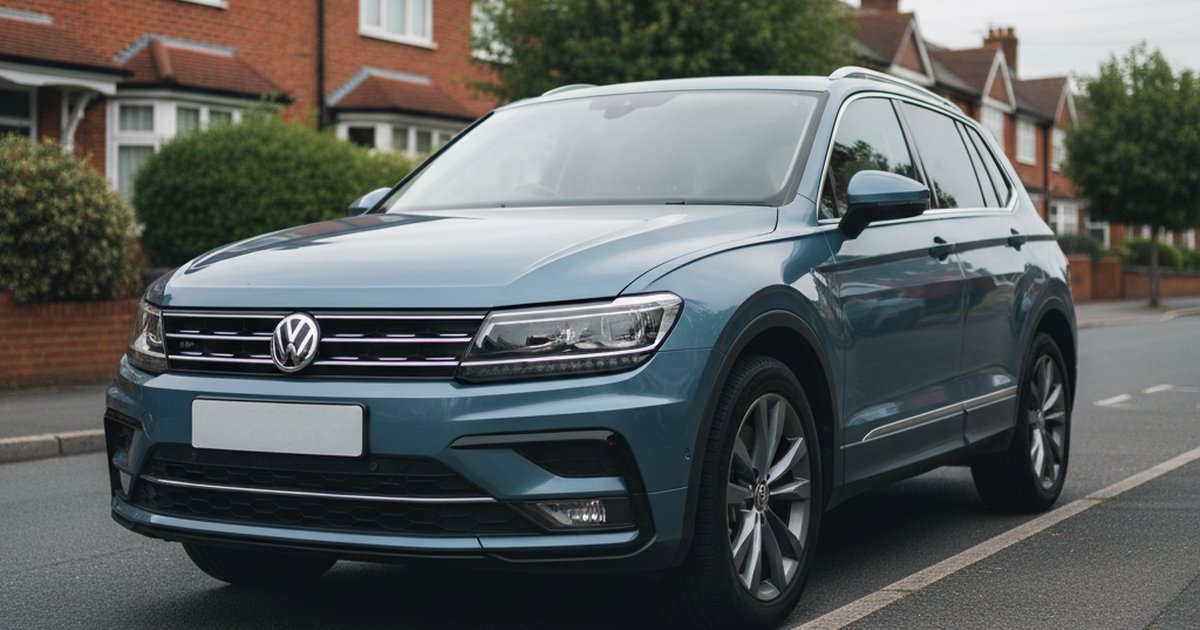
The Volkswagen Tiguan is Britain's best-selling compact SUV for good reason. Spacious, practical, and wearing the premium VW badge, it ticks boxes for families and company car drivers alike. But does it tick the reliability box?
We've analysed 1,488,173 MOT tests across 182,217 Tiguans registered between 2010 and 2023 to find out which years hold up and which develop expensive habits. The data comes from DVSA MOT records, and the results are surprising. Diesel Tiguans dominate UK roads, but their reliability scores vary wildly depending on model year. Petrol versions are rarer but generally more dependable, with one glaring exception that's best avoided entirely.
This isn't guesswork. Every claim in this guide is backed by real-world MOT failure data from hundreds of thousands of tests. If you're shopping for a used Tiguan, this is essential reading.
TL;DR: Diesel Tiguans from 2013-2015 offer the best balance of reliability and value, with scores around 648-668/1000. Avoid 2021 petrol models at all costs (just 382/1000, catastrophic first MOT pass rate of 75.9%). The 2010-2011 diesels have worrying dangerous defect rates above 40%, making them risky buys today.
Diesel vs Petrol: Which Fuel Wins the Reliability Battle?
The Tiguan's reliability story splits sharply along fuel lines, though not in the way you might expect. Across the entire dataset, petrol Tiguans generally achieve higher pass rates and lower defect counts than their diesel siblings. Petrol models from 2012-2016 consistently score above 670/1000, with the 2016 petrol reaching 714/1000 against the diesel's 661/1000.
But here's where it gets interesting: petrol Tiguans are low-mileage, gentle-use vehicles. Owners average just 5,377 to 6,892 miles annually depending on year, compared to 7,737 to 8,935 miles for diesels. These are second cars, school run vehicles, not the heavy motorway miles that diesel buyers rack up. The annual mileage gap tells you everything about ownership profiles, and partly explains why petrols appear more reliable on paper.
Diesels dominate the market for good reason. They're the workhorses, doing the mileage VW designed them for. The 2017 diesel Tiguan averages 8,578 miles per year with current odometers showing 71,700 miles. That's a car being used as intended. Petrol equivalents sit at 57,706 miles with just 6,892 annual miles. The diesel is working harder but holding up reasonably well, with an 88.4% pass rate against the petrol's 89.8%. That 1.4% difference is negligible given the usage gap.
The diesel's Achilles heel isn't reliability, it's the dangerous defect rate. Early diesels from 2010-2011 show dangerous defect rates of 41.8% to 47.0%. Nearly half of these vehicles have flagged at least one dangerous issue during their MOT history. Compare that to petrols from the same years at 33.8% to 36.1%, and the gap is concerning. By 2017 onwards, both fuel types converge around 20-24% dangerous rates, suggesting VW improved build quality meaningfully with the second-generation model.
Which Years Should You Avoid Completely?
The 2021 petrol Tiguan is an unmitigated disaster. With a reliability score of just 382/1000, it's the worst performer in the entire dataset by a country mile. The first MOT pass rate tells the horror story: just 75.9% of 2021 petrols passed their maiden test at three years old. That's catastrophic. For context, the 2021 diesel achieved 87.1% on its first MOT, a full 11 percentage points higher.
What's going wrong? We can't pinpoint a single fault from the data, but 27.9% of tests flag worn tyres and 15.9% find brake pad issues, suggesting these cars are either being driven hard despite low annual mileage (8,197 miles) or suffering from quality control problems in the brake and suspension systems. Either way, walk away. There are just 1,534 vehicles in the sample, so this isn't a statistical quirk; it's a genuine problem cohort.
The 2022 petrol doesn't fare much better, scoring 404/1000 with an 83.2% first MOT pass rate. Two consecutive model years with reliability scores below 450 points to systemic issues with the latest petrol Tiguan. If you're set on petrol power, stick to 2016-2019 models where scores range from 604 to 714.
Early diesels from 2010 warrant caution for different reasons. The 2010 diesel scores a respectable 634/1000, but that 47.0% dangerous defect rate is alarming. These are 15-year-old vehicles now, averaging 124,047 miles, and suspension arm wear affects 26.2% of tests. Buying a high-mileage 2010 diesel today means you're almost certain to need suspension work soon. The 2011 diesel improves slightly (41.8% dangerous rate) but remains in risky territory.
What Are the Sweet Spot Years for Used Buyers?
The 2013-2015 diesel Tiguans represent the ownership sweet spot. The 2013 diesel scores 668/1000 with an 83.6% pass rate and 1.7 defects per test. By 2015, the pass rate climbs to 86.1% while maintaining a similar reliability score (648/1000). These cars currently sit at 81,312 to 98,284 miles, which is ideal for used buyers seeking a vehicle with 80,000-100,000 miles already covered and proven durability.
The dangerous defect rate drops meaningfully across these years. The 2013 diesel sits at 34.0%, down from over 40% in earlier models. By 2015, it's 26.9%. That's still higher than we'd like, but acceptable for a vehicle approaching a decade old. According to What Car? owner satisfaction surveys, these mid-2010s Tiguans also score well for interior quality and practicality, making them solid all-rounders.
If you want petrol, the 2013 and 2016 models shine. The 2013 petrol scores 717/1000 with an 85.5% pass rate and just 22.7% dangerous defect rate. The 2016 petrol hits 714/1000 with a 90.0% pass rate. Both average around 6,000 miles per year, so you're buying a gently used vehicle. At current mileages of 56,286 to 69,464 miles, these are low-mileage examples that should have plenty of life left if properly maintained.
The 2017 model year marks the second-generation Tiguan's arrival. Diesel versions score 640/1000 with an 88.4% pass rate, while petrols hit 659/1000 at 89.8%. The first MOT pass rate drops slightly (88.0% for diesel, 88.4% for petrol) compared to earlier years, suggesting teething troubles with the new platform. But by 2019, scores stabilise. The 2019 diesel reaches 618/1000 and the petrol 630/1000, both showing decent reliability for newer vehicles.
What Actually Fails on Tiguan MOTs?
Tyres and brakes dominate the failure list across all model years, which is reassuring because these are wear items rather than fundamental design flaws. Between 2010 and 2023, worn tyres appear in 18-31% of tests depending on year. This is routine maintenance, not a reliability red flag.
The real concern is suspension wear. Across 2010-2015 diesels, suspension arm bushes and pins appear excessively worn in 19-29% of tests. The 2011 diesel is worst, with 25.6% of tests flagging rear suspension control arm wear. This is a known Tiguan weak spot, and RAC breakdown data confirms suspension repairs are among the most common jobs on older Tiguans. Budget £400-£800 for full front or rear suspension arm replacement if buying a high-mileage example from this era.
Brake discs corrode and score easily on Tiguans, appearing in 9-22% of tests. The 2016 diesel is particularly prone, with 22.0% of tests noting inside face corrosion on front discs. This is partly a design issue (insufficient airflow around the disc) and partly usage-related (low mileage means discs don't get hot enough to burn off surface rust). If you're buying a low-mileage petrol Tiguan that's done mostly short journeys, factor in a brake refresh.
Later models develop different habits. From 2018 onwards, brake pads join tyres as the most common advisory, appearing in 13-24% of tests. This suggests VW may have switched to softer pad compounds or the heavier second-generation Tiguan is simply harder on brakes. Either way, it's a consumable. More concerning is tyre perishing, which affects 14-21% of petrol Tiguans from 2016-2019. These low-mileage cars sit idle, and rubber degrades with age regardless of tread depth.
Do Newer Tiguans Pass Their First MOT?
First MOT performance varies wildly across the Tiguan range, and the pattern reveals uncomfortable truths about quality control. The best performers are 2011-2014 petrols, with first MOT pass rates of 92.0% to 93.1%. These are well-built vehicles that needed minimal attention at three years old.
Diesels from the same era lag slightly behind at 89.7% to 91.3%, but that's still respectable. The gap between first MOT pass rate and overall pass rate is narrow across these years, suggesting the cars age gracefully rather than falling apart after their initial test.
Then we hit 2016, and something changes. The 2016 diesel's first MOT pass rate drops to 88.2% despite an overall pass rate of 87.8%. Normally, you'd expect first MOT to be significantly higher than lifetime average. This convergence suggests quality issues from the factory. By 2018, the diesel first MOT pass plummets to 81.3% while the overall rate is 87.5%. That's backwards. These cars are arriving at their first MOT in worse condition than they'll be throughout the rest of their life, which points to either build quality problems or unusually hard early use.
The 2021 petrol's 75.9% first MOT pass rate is the smoking gun. Three-quarters pass, one-quarter fail. For a three-year-old vehicle from a premium manufacturer, that's unacceptable. Compare it to the AA's data on average first MOT pass rates across all manufacturers (around 85-90%), and the 2021 Tiguan petrol is a clear outlier.
What Do Mileage Patterns Reveal About Tiguan Ownership?
Annual mileage patterns expose the diesel vs petrol divide more clearly than any other metric. Diesel Tiguans average 7,737 to 8,953 miles per year depending on model year. These are proper workhorses covering motorway miles, exactly what diesel engines were designed for. Petrol Tiguans average 5,302 to 7,575 miles annually. The gap widens in earlier years (2010-2015 petrols average just 5,377 to 6,266 miles) then narrows slightly for 2017-2020 models (6,892 to 7,956 miles).
This tells us petrol Tiguan buyers are either running them as second cars or doing predominantly urban driving. The low annual mileage explains why tyres perish rather than wear out, and why brake discs corrode rather than score from heavy use. It also means petrol Tiguans with 'high' mileage are often the exception rather than the rule. A 2017 petrol at 80,000 miles has been driven hard compared to its peers at 57,706.
Diesel buyers should pay close attention to these numbers. A 2017 diesel currently averaging 71,700 miles has covered 8,578 miles per year, bang on the fleet average. That's a car being used normally. If you find a 2017 diesel with 40,000 miles, it's either been cherished or barely driven. Neither scenario guarantees reliability, and low mileage can hide problems like seized brake callipers or degraded rubber components from lack of use.
The current median mileage figures are useful for spotting over or under-mileage examples. A 2015 diesel should be around 81,312 miles. Significantly more suggests hard use or fleet duty. Significantly less suggests either cherished ownership or a car that's sat idle for extended periods. Both warrant closer inspection before purchase.
Found a year you like? A good year still hides a clocked odometer, outstanding finance or a past write-off. Before you hand over any money, check the exact VW Tiguan.
Frequently asked questions
Are VW Tiguan diesels more reliable than petrols?
Generally yes, with one major exception. Diesel Tiguans from 2013-2019 score 618-668/1000 and are workhorses designed for the mileage they cover. Petrols score higher (670-717/1000) in 2012-2016 but are low-mileage vehicles. Avoid 2021-2022 petrols completely (382-404/1000).
What is the most reliable VW Tiguan year?
The 2013 petrol Tiguan scores highest at 717/1000 with an 85.5% pass rate and just 1.5 defects per test. For diesel buyers, the 2013 model scores 668/1000 with 83.6% pass rate. Both represent the sweet spot before second-generation teething troubles.
What are the common faults on VW Tiguans?
Suspension arm bushes wear excessively on 2010-2015 models (appearing in 19-29% of tests). Brake disc corrosion affects 9-22% of tests, particularly 2016 diesels. Tyres perish on low-mileage petrols (14-21% of 2016-2019 tests). Budget £400-£800 for suspension work on older high-mileage examples.
Should I buy a high-mileage Tiguan diesel?
Yes, if it's from 2013-2017. These diesels average 7,737-8,578 miles per year and are designed for motorway work. A 2015 diesel at 100,000 miles has covered typical usage and scored 648/1000. Avoid 2010-2011 diesels with dangerous defect rates above 40%.
Why do 2021 petrol Tiguans fail MOTs so often?
The data shows a catastrophic 75.9% first MOT pass rate and reliability score of just 382/1000, but doesn't reveal a single smoking gun fault. Brake pads (15.9% of tests) and worn tyres (27.9%) appear frequently, suggesting either quality control issues or unusually hard early use. Avoid this model year.
Our Verdict
The Tiguan is Britain's favourite compact SUV for good reason, but reliability varies dramatically depending on which year and fuel type you choose. Stick to 2013-2015 diesels or 2013/2016 petrols, and you'll get a dependable family hauler backed by hundreds of thousands of MOT tests. Stray into 2021-2022 petrol territory, and you're gambling with a model year that fails catastrophically more often than it should.
Before you buy any Tiguan, run a PlateInsight check. You'll get the full MOT history, mileage validation, and defect timeline for that specific vehicle. We offer 5 free credits to new users, so you can check multiple cars before committing. Make your Tiguan purchase with confidence, backed by real data, not dealer promises.
You might also like
Check Any Vehicle's Full History
MOT results, mileage timeline, AI health score, and market valuations. New users get 5 free credits.