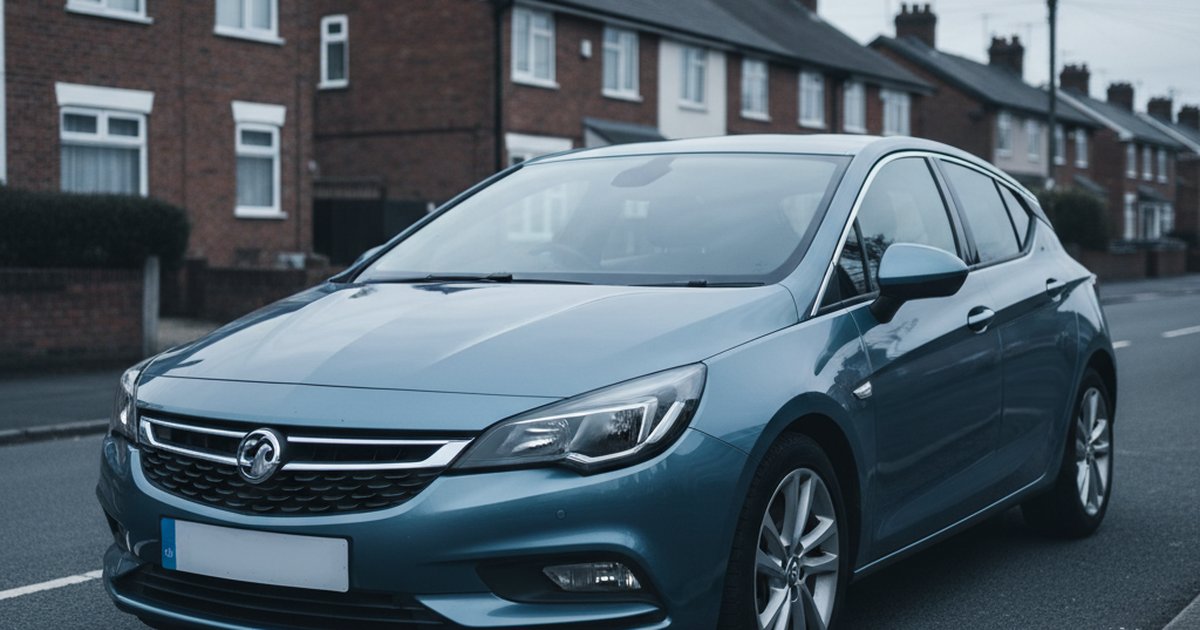
The Vauxhall Astra has been a fixture on British driveways for decades, but our analysis of 5,878,217 MOT tests across 541,888 vehicles reveals some uncomfortable truths about this family hatchback. We've crunched the numbers on every Astra generation from 2010 onwards, and the results show a car that's perfectly adequate rather than exceptional.
The sixth-generation Astra J (2009-2015) soldiers on with acceptable pass rates but nothing to write home about, while the newer Astra K (2016-2022) showed genuine improvement, particularly in petrol form. The standout finding? The 2016 petrol Astra is the sweet spot in the entire range, with an 85% pass rate and a reliability score of 582 out of 1000. Meanwhile, diesel variants consistently lag behind their petrol siblings, and certain years are best avoided entirely.
Using data from the DVSA MOT database, we can tell you exactly which Astras hold up and which fall apart. The differences between model years are stark enough to make or break your ownership experience.
TL;DR: Buy a 2016-2017 petrol Astra K (reliability scores of 582 and 557 respectively). Avoid 2014-2015 diesels (reliability scores dropping to 470-487) and any diesel from the early Astra J years. The data shows a clear reliability gap between fuel types, with petrol models consistently outperforming diesels by 40-70 points on our scale.
Which Astra Generation Actually Holds Up?
The Astra K (2016 onwards) beats the earlier Astra J across every meaningful metric. First MOT pass rates jumped from the mid-80s to nearly 89% for 2016 petrol models, and the dangerous defect rate fell from nearly 50% on older cars to just 33.4% on the 2016 petrol Astra. That's not marginal improvement, that's a fundamentally better-engineered car.
What changed? Build quality improved, sure, but the real story is simpler engineering. The Astra J carried over too much complexity from the GM era, while the PSA-influenced Astra K benefited from parts bin rationalisation and tighter quality control. You can see it in the defect rates: Astra J models averaged 1.8 issues per test, while the 2016 Astra K dropped to 1.4 defects per test for petrol variants.
The annual mileage figures tell another story. Astra J owners averaged around 6,500 miles per year for petrol and 8,750 for diesel. By 2017, petrol Astra K owners were still doing similar mileage, but these cars were holding up better under the same workload. That's the definition of improved reliability.
What's the Best Vauxhall Astra Year to Buy?
2016 petrol Astra K is the clear winner. An 85% pass rate, 582 reliability score, and just 1.4 defects per test make this the most dependable Astra in our entire dataset. Most examples now sit around 63,000 miles, which means there's plenty of life left if you're buying used.
Why 2016 specifically? It's the first year of the Astra K platform but still under GM's final quality push before the PSA takeover was fully integrated. You get the new platform benefits without the teething problems that plague true first-year models, because this wasn't actually a clean-sheet design.
The 2017 petrol Astra runs it close with an 86.6% pass rate and 557 reliability score. If you want something slightly newer with lower mileage (typically 57,000 miles now), the 2017 is nearly as good. The first MOT pass rate on 2017 models hit 91.8%, the highest in the range, suggesting these cars were exceptionally well-built from the factory.
For budget buyers, the 2013 petrol Astra J offers decent value. At 79.2% pass rate and 551 reliability score, it's the best of the older generation. Typical mileage is now around 82,000, so you're buying a car that's lived most of its life. But at this age, it's priced to reflect that reality.
Which Vauxhall Astra Years Should You Avoid?
The 2014 diesel Astra is the worst performer in the dataset, with a reliability score of just 470 and a 77.7% pass rate. These cars are now averaging 103,000 miles, which wouldn't be a problem if they were holding up better. But with 1.6 defects per test and a 46.3% dangerous defect rate, you're buying into a money pit.
The 2015 diesel isn't much better at 487 reliability score. Both these years sit in that awkward late-Astra-J period where the platform was aging but hadn't yet been replaced. What Car? owner satisfaction surveys from this era consistently flagged reliability concerns with these diesel variants.
The diesel problem: Across the board, Astra diesels score 20-70 points lower than equivalent petrol models. The gap is largest in the 2014-2016 period, where diesel buyers face significantly more brake pad wear (the top non-tyre defect on nearly every diesel variant) and suspension issues.
Early Astra J diesels (2010-2012) aren't terrible, but with reliability scores in the 535-545 range and pass rates below 77%, there are better options. These cars are now showing 118,000-125,000 miles typically, and at that mileage, diesel particulate filter problems become expensive realities rather than abstract concerns.
Should You Buy a Petrol or Diesel Astra?
Petrol, without question. The data is unambiguous: petrol Astras outscore diesels in every single year from 2010 to 2021. The reliability gap ranges from 12 points (2010) to a massive 76 points (2016). Pass rates follow the same pattern, with petrol models typically 3-4 percentage points ahead.
The diesel variants wear tyres faster (tyre defects appear in 26-31% of tests for diesels vs 17-25% for petrols) and burn through brake pads at an alarming rate. Brake pad wear appears as a top-three defect in nearly every diesel model year, affecting 10-18% of tests. For petrol Astras, brake pads only become a major issue on 2016 onwards models, and even then it's wear rather than failure.
Annual mileage tells part of the story. Diesel owners average 8,500-9,700 miles per year compared to 6,200-6,800 for petrol. That's harder use, but it doesn't fully explain the reliability gap. A 2016 petrol Astra averaging similar mileage would still score 67 points higher than the diesel equivalent.
The only argument for diesel is if you're doing 15,000+ miles annually and keeping the car long-term. But given the dangerous defect rates (5-8 percentage points higher on diesels), you're trading fuel economy for risk. RAC breakdown data supports this, showing diesel Astras appear more often in callout statistics from this era.
What Actually Fails on MOT Tests?
Tyres dominate the failure lists across all Astras, but the specifics matter. Older Astra J models (2010-2015) fail most often on tyres worn to the legal limit or damaged with exposed cords (affecting 11-23% of tests). The 2016 onwards Astra K shows the same tyre wear patterns, but at lower rates (15-22% of tests), suggesting either better tyre quality from the factory or ownership patterns that prioritise maintenance.
Oil leaks plague the Astra J petrol engines, appearing in 11-12% of tests from 2010-2013. The typical advisory is 'oil leak but not excessive rocker cover', which means it's a slow seep rather than a catastrophic failure. Still, it's a tell that these engines are getting tired. The Astra K largely fixes this, with oil leaks dropping off the top defect lists entirely by 2016.
Coil springs fracture on 2013-2014 models at concerning rates (10-11% of tests). This isn't unique to the Astra, it's a GM platform issue from this era, but it's an expensive fix that often appears alongside suspension arm wear. If you're looking at these years, budget £300-500 for suspension work unless you can verify recent replacement.
Brake pad reality check: From 2016 onwards, brake pad wear becomes the dominant non-tyre defect, affecting 17-20% of tests. This isn't necessarily failure, often it's advisories that pads are wearing thin. But it shows these cars are being driven harder or the brake pad spec changed. Either way, factor in £150-200 per axle if buying a higher-mileage Astra K.
How Long Do Vauxhall Astras Actually Last?
Current mileage data shows the typical 2010 Astra now has 98,500 miles (petrol) or 125,000 miles (diesel). Given these cars are 14 years old, that's 7,000-9,000 miles per year. Not spectacular, not terrible. But pass rates at these mileages have dropped to 75-76%, which tells you the cars are wearing out on a predictable curve.
The 2016 Astra K petrol sits at 63,400 miles typically, having covered 6,350 miles per year. Yet the pass rate is still 85%. That's the difference between a car that's aging gracefully and one that's falling apart. Extrapolate that curve and you'd expect a 2016 Astra to maintain 80%+ pass rates until around 90,000-100,000 miles, which aligns with industry norms for well-engineered family hatchbacks.
Diesels tell a different story. The 2010 diesel at 125,000 miles has a 74.8% pass rate, but the dangerous defect rate is 45.9%. That's nearly half of all vehicles showing something seriously wrong. By contrast, the 2016 diesel at 87,000 miles manages an 81.9% pass rate with a 39.2% dangerous defect rate. Better, but still not confidence-inspiring compared to the petrol equivalent's 33.4%.
First MOT pass rates reveal build quality. The 2017 petrol Astra's 91.8% first MOT pass (at age three) dropped to 86.6% overall. That 5.2 percentage point decline over subsequent years is normal aging. Compare that to the 2014 diesel, which started at 81% first MOT pass and dropped to 77.7% overall. It was less reliable from day one and degraded faster.
Is a High-Mileage Astra Worth Buying?
Depends entirely on the year and fuel type. A 2016 petrol Astra with 80,000 miles is a sensible buy if the service history is solid and you can verify recent MOT passes without major advisories. These cars were engineered to handle that mileage, and the defect rate (1.4 per test) suggests you'll face normal wear items rather than catastrophic failures.
A 2013 diesel Astra with 120,000 miles is a gamble. The dangerous defect rate is 48.6%, and common issues include brake pad replacement (11% of tests) and coil spring fractures (10.8% of tests). You might get lucky, or you might spend £800 in the first year sorting out deferred maintenance. The average defects per test (1.7) means you're almost guaranteed at least one advisory and one failure item on any given MOT.
Look at annual mileage patterns. A 2017 diesel averaging 9,100 miles per year has likely done motorway commuting, which is less damaging than urban stop-start. But it's also racked up 83,900 miles by now, and the 83.1% pass rate at that mileage suggests you're at the point where things start breaking. The first MOT pass rate was 87.5%, meaning even when new these diesels struggled more than petrols (which hit 91.8% first MOT pass the same year).
The sweet spot for bargain hunters is a 2015-2016 petrol Astra with 60,000-70,000 miles. You're past the worst of the depreciation but not yet into the expensive repair years. Pass rates for these cars at current mileages are still 81-85%, which means four out of five pass without issues.
How Does the Astra K Compare to the Astra J?
The Astra K is a better car in every measurable way. Average defects per test dropped from 1.8 (Astra J) to 1.4 (2016 Astra K). Dangerous defect rates fell from 47-50% to 33-40%. First MOT pass rates jumped from 85-87% to 89-92% for equivalent petrol models. This isn't marginal refinement, it's a generational leap.
The PSA influence shows in the details. Astra K models have fewer oil leaks, less suspension wear, and better brake longevity than their predecessors. The trade-off is that brake pads become a more prominent wear item (17-20% of tests vs 9-13% on the Astra J), but that's arguably because the rest of the car is solid enough that pads are the main thing wearing out.
Platform maturity matters: The Astra J was GM's final hurrah, launched in 2009 and showing its age by 2014. The 2016 Astra K benefited from PSA's cost-cutting expertise without sacrificing quality, using proven components from the EMP2 platform already validated in Peugeot and Citroën models.
Current mileage tells you about ownership patterns. Astra J owners are doing 6,400-6,700 miles per year (petrol) while Astra K owners do 6,300-6,800 miles. Nearly identical usage, but the newer car handles it better. That's engineering progress you can quantify.
If you're choosing between a tidy 2015 Astra J and a slightly scruffier 2016 Astra K at similar money, buy the 2016. The reliability delta (499 vs 582) and pass rate advantage (81% vs 85%) mean you'll spend less time at the garage and more time driving.
Found a year you like? A good year still hides a clocked odometer, outstanding finance or a past write-off. Before you hand over any money, check the exact Vauxhall Astra.
Frequently asked questions
What is the most reliable Vauxhall Astra year?
The 2016 petrol Astra K is the most reliable, with a score of 582 out of 1000 and an 85% MOT pass rate. It has the lowest defect rate (1.4 per test) and best dangerous defect rate (33.4%) in the entire range.
Are petrol or diesel Astras more reliable?
Petrol Astras are significantly more reliable. They score 12-76 points higher than diesel equivalents across all years (2010-2021), with better pass rates and fewer dangerous defects. The 2016 petrol scores 582 vs 515 for the diesel.
How many miles can a Vauxhall Astra do?
A well-maintained petrol Astra K should reach 120,000-150,000 miles. The 2016 petrol maintains an 85% pass rate at current typical mileage of 63,400 miles, suggesting it will hold up well beyond 100,000 if serviced properly. Diesels struggle more past 100,000 miles.
What are common Astra MOT failures?
Tyres worn to the legal limit (affecting 17-31% of tests depending on year), brake pad wear (10-20% of tests on newer models), and oil leaks on 2010-2013 petrol engines (11-12% of tests). Coil spring fractures affect 10-11% of 2013-2014 models.
Is the Astra K better than the Astra J?
Yes, significantly. The Astra K (2016+) has 1.4 defects per test vs 1.8 for the Astra J, dangerous defect rates 10-15 percentage points lower, and first MOT pass rates of 89-92% vs 85-87%. The platform and build quality are measurably superior.
Our Verdict
The Vauxhall Astra story is one of gradual improvement punctuated by a genuine leap forward in 2016. If you're buying used, stick to petrol Astra K models from 2016-2017 for the best reliability, or accept higher mileage with a 2013 petrol Astra J if budget is tight. Avoid the diesel variants unless you're doing serious annual mileage and understand the maintenance costs involved.
Before you buy any used Astra, run a free vehicle check on PlateInsight. You get 5 free credits to verify MOT history, mileage consistency, and outstanding finance. Real data beats sales patter every time, and our database of 261 million MOT records will show you exactly what you're buying. Because when you're spending several thousand pounds, you deserve to know the truth.
You might also like
Check Any Vehicle's Full History
MOT results, mileage timeline, AI health score, and market valuations. New users get 5 free credits.