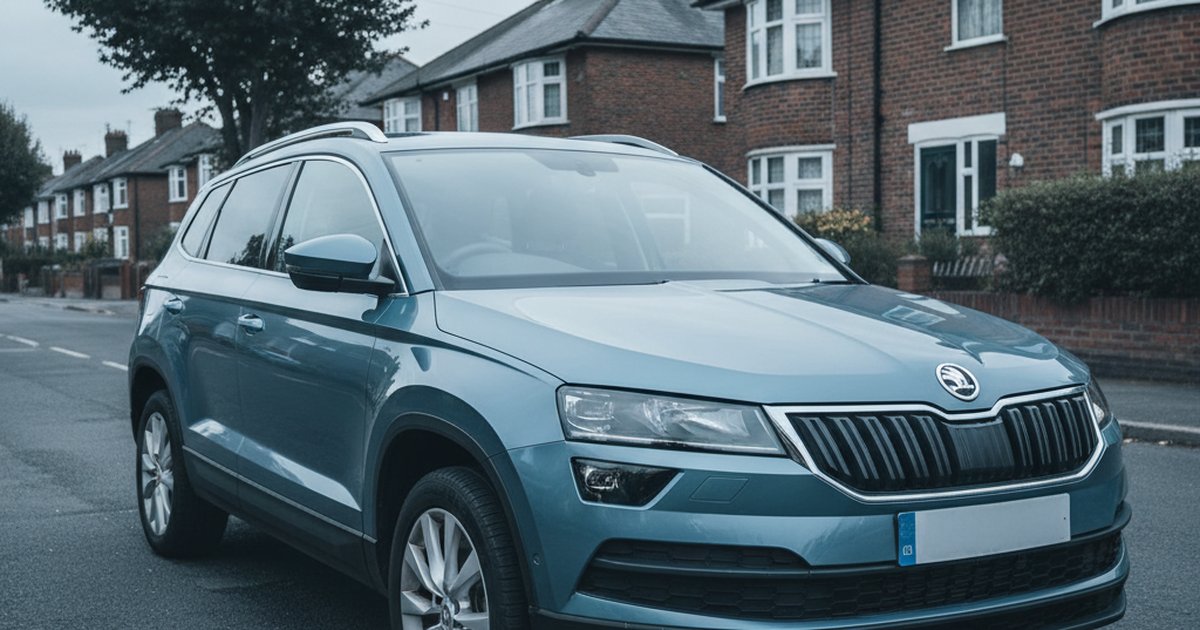
The Skoda Karoq has become a common sight on British roads since its 2018 launch, competing directly with the Tiguan and Sportage as a practical family SUV. But does this Czech-built crossover live up to Skoda's reputation for sensible dependability?
We analysed 203,498 MOT tests across 51,323 Karoqs to find out. The data shows a car with generally solid foundations but a troubling weakness in specific model years. If you're shopping for a used Karoq, knowing which years to target and which to avoid could save you hundreds in premature suspension work.
TL;DR: The Karoq is largely reliable, with pass rates around 90-92%. The exception is 2020-2021 petrol models, which suffer from chronic shock absorber problems in over 22% of MOT tests. Diesel variants consistently beat petrols for reliability, and earlier 2018-2019 models age better than their newer counterparts. Budget for tyres regardless of which you buy.
Petrol vs diesel: which Karoq lasts longer?
The diesel Karoq consistently beats its petrol sibling for reliability. Across the model range, diesels average a score of 680-725 compared to 548-652 for equivalent petrol years. That gap matters when you're buying a car you intend to keep.
Usage patterns tell part of the story. Diesel Karoq owners cover around 8,600-9,400 miles annually, which suggests longer motorway journeys where diesels do well. Petrol owners average just 6,900-7,400 miles per year, pointing to more stop-start urban driving that puts greater strain on shock absorbers and tyres. Current odometer readings back this up: a typical 2018 diesel shows 58,850 miles versus 49,242 for the petrol equivalent.
If you're covering serious miles or planning motorway commutes, the diesel makes financial and mechanical sense. For low-mileage urban pottering, the petrol might seem tempting, but the reliability gap is real.
What's going wrong with Karoq shock absorbers?
Shock absorber failures plague certain Karoq model years with alarming frequency. The problem peaks in 2020-2021 petrol models, where shock absorber oil leaks appear in over 22% of MOT tests. That's nearly one in four cars developing damper issues within their first few years.
The pattern is clear and concerning. In 2019, shock absorber problems affected 17.8% of petrol tests. By 2020, this jumped to 22.8%. The 2021 petrol Karoq is even worse, with 22.6% of tests flagging serious fluid leaks from the dampers. These aren't minor advisory weeps. The DVSA MOT data classifies them as critical defects requiring immediate attention.
The good news: This appears to be a petrol-specific issue. Diesel Karoqs from the same years show shock absorber problems at lower rates (around 20%). By 2022-2023, the issue seems resolved, with defect rates dropping to 11-13% across both fuel types.
What caused this? Skoda hasn't issued an official recall, but the data suggests either a batch of substandard dampers or a suspension geometry issue that the factory later corrected. Either way, if you're viewing a 2020-2021 petrol Karoq, crawl underneath and check those dampers carefully. Oil misting around the shock bodies is your warning sign. Fresh replacement dampers from a reputable brand will set you back £400-600 fitted.
Which Karoq years should you avoid?
The 2020 and 2021 petrol Karoqs are the weakest in the range. The 2020 petrol scores just 564 out of 1000 for reliability, the lowest of any Karoq variant. First MOT pass rates tell the same story: just 89.1% of 2020 petrols passed their initial test, compared to 92.5% for 2019 petrols.
The 2021 petrol is marginally better at 548, but still well below the diesel equivalent from the same year (719). These newer cars are also degrading faster than the older ones they replaced. A 2018 Karoq averages 1.1 defects per test and holds a 649-680 reliability score even with 50,000-60,000 miles on the clock. The 2020-2021 models rack up similar defect counts despite being newer and lower mileage.
If you must buy a 2020-2021 petrol Karoq, factor in immediate shock absorber replacement. Better yet, target a 2018-2019 model that has already proven its durability, or step up to the diesel if your mileage justifies it.
Are Karoq tyres expensive to maintain?
Tyres dominate the Karoq MOT failure list across every single model year and fuel type. Between 19% and 28% of tests flag tyres worn close to the legal limit or worn unevenly on the edges. This isn't a design flaw, it's physics and driver behaviour, but it's worth knowing before you buy.
The Karoq typically runs 215/50 R18 or 215/60 R17 tyres depending on trim level. Budget £100-140 per tyre for decent mid-range rubber, so a full set will cost £400-560. Given the frequency of tyre-related advisories in the data, expect to replace at least the fronts every 20,000-25,000 miles for petrol models, potentially sooner for the diesels covering higher annual mileages.
Uneven tyre wear, particularly on the inner edges, suggests either poor wheel alignment or driving style (aggressive cornering accelerates edge wear). When inspecting a used Karoq, check for feathering on the inner tread blocks. If present, negotiate the cost of alignment and new tyres into the purchase price.
How safe is the Karoq according to MOT data?
Early Karoqs show surprisingly high dangerous defect rates. The 2018 models, both petrol and diesel, flag dangerous issues in 16.5-16.8% of tests. That's roughly one in six cars presenting a potentially hazardous fault during their MOT. These aren't just advisories. These are defects serious enough that the tester deems the vehicle unsafe to drive.
The good news is this rate improves dramatically as the model evolves. By 2022, dangerous defects appear in just 2.6% of petrol tests and 1.9% of diesel tests. This suggests either better build quality in later production runs, younger cars with fewer miles, or a combination of both.
What counts as dangerous? The most common culprits are severely worn tyres (ply or cords exposed), failed shock absorbers causing unstable handling, and worn brake components. The RAC warns that driving with dangerous defects identified during an MOT is illegal and invalidates your insurance. If you're buying a 2018-2019 Karoq, insist on seeing the most recent MOT certificate and check the defect history on the gov.uk MOT checker.
What about Karoq brake wear patterns?
Brake-related defects appear in 11-13% of early Karoq MOT tests, mainly worn pads and scored discs. This is actually reasonable for a mid-size SUV weighing 1,400-1,500kg, and the rates are comparable to rivals like the What Car? recommended Seat Ateca.
Brake wear ties directly to driving style and annual mileage. The diesel Karoqs, covering 8,600-9,400 miles per year, show slightly higher brake defect rates than the lower-mileage petrols. Motorway miles are gentler on brakes than urban stop-start driving, but the sheer volume of use takes its toll.
Budget for front brake pads around 30,000 miles and discs at 60,000-70,000 miles. Aftermarket parts from quality brands like Brembo or ATE cost £60-80 for pads and £80-120 per disc. A full front brake refresh (pads and discs) at an independent garage runs £200-280 fitted, significantly less than Skoda dealer pricing.
Which Karoq model year should you buy?
The sweet spot is the 2018 or 2019 diesel Karoq. The 2018 diesel has a 680 reliability score with a 90.4% pass rate, and it has already proven its longevity with typical examples now showing 58,850 miles. These early cars have survived the first five years without developing the shock absorber problems that plague later petrols.
The 2019 diesel is similarly robust at 669 reliability, though it picks up slightly more defects per test (1.3 vs 1.1). This marginal difference isn't enough to swing a buying decision, especially given both years maintain similar pass rates around 90%.
If diesel doesn't suit your needs, the 2019 petrol is the strongest petrol option at 652 reliability with a 92.5% first MOT pass rate. It predates the shock absorber epidemic and benefits from an ownership profile suggesting careful use, current examples average just 42,416 miles despite being five years old.
Avoid the bargains: Cut-price 2020-2021 petrols might look tempting, but the suspension issues are so common that any initial saving will evaporate in repair bills. The reliability scores tell the story: 564 and 548 respectively, compared to 649+ for earlier years.
What mileage can you expect from a Karoq?
Annual mileage data shows distinct ownership patterns. Petrol Karoqs average 6,900-7,400 miles per year regardless of age, which suggests they're bought for school runs, shopping trips, and weekend use. Diesels rack up 8,600-9,400 miles annually, pointing to longer commutes and more motorway work.
This matters for buyers. A 2018 petrol with 70,000 miles has covered roughly 10,000 miles per year, significantly above the norm for this model. That suggests either a high-mileage commuter (unusual for a petrol) or possible fleet use. Either way, expect more wear and tear than average.
A 2018 diesel with 70,000 miles, on the other hand, is bang on the expected usage pattern (8,637 miles/year x 6 years). This is a car doing what it was designed for, and the mechanical components will be in their comfort zone. Current median mileages support this: 49,242 for 2018 petrols, 58,850 for diesels.
When shopping, use PlateInsight to check whether your target car's mileage aligns with typical usage. Significant deviations, either much higher or suspiciously low, warrant extra scrutiny and potentially a paid vehicle history check.
Found a year you like? A good year still hides a clocked odometer, outstanding finance or a past write-off. Before you hand over any money, check the exact Skoda Karoq.
Frequently asked questions
Are Skoda Karoqs reliable cars?
Generally yes, with pass rates around 90-92% across the range. However, 2020-2021 petrol models suffer from serious shock absorber issues affecting over 22% of tests. Diesel variants are consistently more reliable than petrols, with scores reaching 680-725 compared to 548-652 for petrols.
What are the most common Karoq MOT failures?
Tyres dominate the failure list, with 19-28% of tests flagging worn or damaged rubber. Shock absorber oil leaks are the second major issue, particularly in 2020-2021 petrol models where they affect over 22% of tests. Brake pad and disc wear is routine, affecting 11-13% of early models.
Should I buy a petrol or diesel Skoda Karoq?
Buy diesel if you cover more than 8,000 miles annually or do regular motorway driving. Diesels achieve 680-725 reliability scores versus 548-652 for petrols, and they handle high mileage better. Petrols suit low-mileage urban use but suffer more from shock absorber problems in 2020-2021 models.
How many miles do Karoq shock absorbers last?
It depends on the year. Early 2018-2019 models show shock absorber issues in 17-19% of tests, which is reasonable wear. However, 2020-2021 petrols develop damper leaks in over 22% of cases, often appearing at the first MOT (around 30,000-40,000 miles). Later 2022+ models improve significantly.
What is a good mileage for a used Karoq?
Petrol Karoqs average 6,900-7,400 miles per year, so expect around 42,000-49,000 miles on a 2018-2019 model. Diesels cover 8,600-9,400 miles annually, typically showing 54,000-59,000 miles for the same age. Anything significantly above or below these figures warrants investigation.
Our Verdict
The Karoq is a sensible SUV choice if you buy the right variant. Early diesels offer proven durability, while 2020-2021 petrols carry baggage you don't need. Before committing to any used Karoq, check its full MOT history and current defects on PlateInsight. You get 5 free vehicle checks to verify mileage consistency, spot recurring issues, and confirm the car hasn't been hammered. A few minutes of research now could save you from inheriting someone else's shock absorber bill.
You might also like
Check Any Vehicle's Full History
MOT results, mileage timeline, AI health score, and market valuations. New users get 5 free credits.