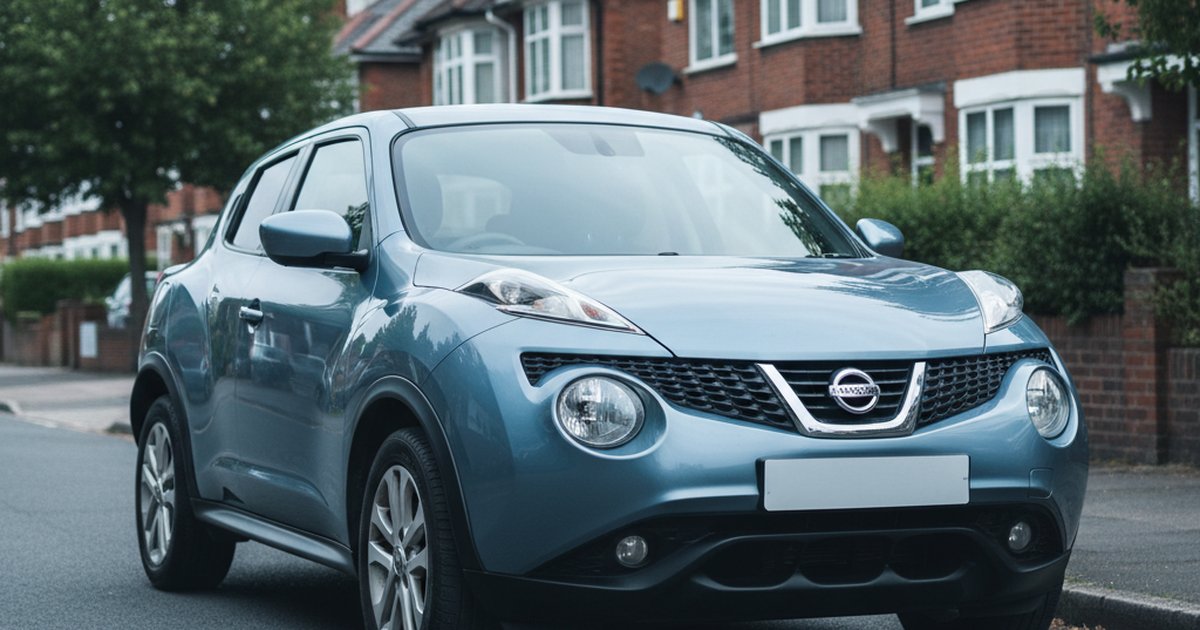
The Nissan Juke divides opinion like no other car. You either love the bug-eyed styling or you don't. But quirky looks aside, does this small SUV hold up mechanically? We've analysed 2,887,616 MOT tests across 283,171 Jukes registered between 2010 and 2022 to find out which model years offer the best reliability, and which ones you should avoid.
The short answer: petrol is your friend here. The first-generation Juke (2010-2019) shows a clear pattern where petrol variants consistently outperform their diesel counterparts by a significant margin. But there's more to the story than just fuel type. Certain model years shine, while others struggle with suspension wear and brake corrosion that can turn MOT time into an expensive lottery.
TL;DR: 2017 petrol Jukes pass 85.8% of MOTs and average just 1.2 defects per test. Avoid 2013 diesel models (73% pass rate, 2.3 defects per test). Petrol variants consistently outperform diesels across every model year, with lower defect rates and better pass rates.
Should You Buy a Petrol or Diesel Juke?
This one isn't even close. Across every single model year in our dataset, petrol Jukes deliver better MOT pass rates than their diesel siblings. The gap ranges from modest (2014's 4.2 percentage point difference) to substantial (2015's 4.3 points), but it's relentlessly consistent.
The defect data tells an even starker story. Petrol Jukes from 2017 average 1.2 defects per test, while 2017 diesels sit at 1.5. That might not sound dramatic, but it compounds over time. More concerning is the dangerous defect rate: 2013 diesel Jukes show a 58.4% rate of vehicles flagged with at least one dangerous defect, compared to 48.2% for the petrol equivalent.
Look at suspension wear patterns and you'll see why. Diesel Jukes consistently show higher rates of worn suspension components, particularly anti-roll bar linkages and ball joints. The 2012 diesel, for instance, has 27.6% of tests flagging excessively worn suspension arms, versus 23.8% for the petrol version noting only slight play in ball joints (a less serious issue).
Annual mileage matters: Diesel Juke owners average 7,500+ miles per year versus 5,500-6,000 for petrol owners. These are harder-worked cars, which partly explains the reliability gap. But it also means diesel examples face more wear and tear if you're buying used.
The diesel also brings its own mechanical headaches. Brake pipes show excessive corrosion in 15.7% of 2010 diesel tests, compared to 14.3% for petrol. That's a critical safety item that can fail catastrophically. Unless you genuinely need the extra torque for towing or regularly cover 15,000+ miles annually, the petrol Juke is the smarter buy.
Which Model Years Are Most Reliable?
The sweet spot for petrol Jukes runs from 2014 to 2018. The 2017 model year particularly impresses with an 85.8% pass rate and just 1.2 defects per test. Its first MOT pass rate of 91.3% suggests Nissan had ironed out early niggles by this point. The 2018 model maintains that momentum with an 86.3% pass rate and a dangerous defect rate of just 18.6%, half what you see on earlier cars.
The 2014-2016 bracket also delivers strong performance. The 2015 petrol variant hits an 82.5% pass rate with only 1.5 defects per test. Current mileage sits around 62,000 miles for most 2015 examples, and annual usage averages a gentle 5,894 miles per year. These are clearly second cars or urban runabouts, which suits the Juke's strengths.
Earlier first-generation models (2010-2013) struggle more. The 2013 petrol drops to a 77.1% pass rate with 1.9 defects per test, while dangerous defects affect 48.2% of vehicles. That's not disastrous, but it's a noticeable step down from later years. Suspension wear dominates the defect list: 23% of 2013 tests flag ball joint play, and brake pads wear through in 15.8% of inspections.
The very latest Jukes (2020-2022) show limited data due to low test volumes. The 2022 model has just 79 MOT records, making it statistically unreliable for firm conclusions. What we can say is the 2021 petrol achieves an 89.9% pass rate, but this represents only 317 tests. Wait a few years before these models build a meaningful MOT history.
Which Years Should You Avoid?
Diesel Jukes from 2010 to 2014 represent the worst of the bunch. The 2013 diesel sits at the bottom with a reliability score of just 332 out of 1,000. Its 73% pass rate means more than one in four tests end in failure. Worse, it racks up 2.3 defects per test and shows dangerous defects in 58.4% of vehicles.
The 2012 diesel isn't much better. It manages a 74% pass rate but accumulates 2.4 defects per test, the joint-highest in the entire dataset alongside the 2010 diesel. Tyre wear affects more than a quarter of all tests (25.8%), while suspension arms show excessive wear in 27.6% of inspections. That's component replacement, not just an advisory note.
Even among petrols, the 2010 and 2011 models lag behind later years. The 2010 petrol achieves only a 76.1% pass rate and picks up 2.2 defects per test. Its dangerous defect rate of 52.1% means you're rolling the dice on serious safety issues. Brake pipe corrosion appears in 14.3% of tests for this year, a critical failure that demands immediate attention.
First MOT performance: The 2011 diesel manages just an 88.8% pass rate on its first MOT at age three, but this drops to 73.3% overall. That's a 15.5 percentage point degradation, suggesting these cars age poorly. Compare that to the 2017 petrol, which falls only 5.5 points from first MOT to overall average.
High mileage examples compound the problem. The 2010 diesel shows a median current mileage of 113,669 miles, with owners averaging 7,729 miles annually. At this age and usage level, you're looking at comprehensive suspension rebuilds, brake system overhauls, and likely turbo or DPF issues on top of routine MOT failures.
What Goes Wrong With the Juke?
Suspension wear dominates the Juke's defect profile across all model years. Ball joints develop play as the car ages, with 23-27% of tests on older models flagging this issue. The good news is early-stage ball joint play often appears as a routine advisory rather than an outright failure. The bad news: if ignored, it progresses to excessive wear requiring full component replacement.
Anti-roll bar linkages wear heavily on diesel models. The 2011 diesel shows 26.8% of tests noting excessively worn linkages, compared to routine advisories on petrol equivalents. This is a pattern across the diesel range, likely driven by higher annual mileage and the extra weight of the diesel engine stressing front suspension components.
Tyre wear appears suspiciously high across the board. Between 20-30% of all Juke MOT tests flag tyres worn close to legal limits or showing edge wear. This isn't random: the Juke's suspension geometry, combined with its relatively narrow track and tall ride height, promotes uneven tyre wear. Budget for more frequent tyre replacements than you'd expect on a conventional hatchback. The AA notes that small SUVs generally wear tyres faster than equivalent hatchbacks due to their higher centre of gravity.
Brake corrosion becomes serious on early models and all diesels. The 2010 diesel shows brake pipe corrosion in 15.7% of tests. This is a harsh MOT failure that can cost several hundred pounds to rectify properly, as corroded brake pipes usually need replacing along their entire run, not just spot repairs.
Brake pad wear: Between 11-19% of Juke tests across all years flag worn brake pads. This is routine maintenance, but the frequency suggests either owners skip servicing or the Juke's weight (around 1,200kg for a small car) works the brakes harder than expected.
Perishing tyres show up increasingly on 2015-2019 models. Between 13-19% of tests flag slight tyre damage or perishing, typically in the sidewall. This suggests many Jukes sit unused for extended periods, allowing tyres to degrade from age rather than mileage. If you're buying a low-mileage example, inspect the tyres carefully regardless of tread depth.
How Do First and Second Generation Models Compare?
The first-generation Juke (2010-2019) makes up the vast majority of our dataset, with the second generation (2020+) still building its MOT history. What we can say from limited 2020-2022 data is pass rates hover around 87-90%, broadly in line with late first-generation models.
The 2021 petrol shows an 89.9% pass rate from 317 tests, while the 2020 manages 88.7% from 379 tests. These are decent figures, but they represent cars at just three years old with minimal wear. The real test comes as these vehicles age past 50,000 miles and face their fifth or sixth MOT.
What has improved on second-generation cars is the defect rate. The 2021 model averages just 0.7 defects per test, compared to 1.2 on the best first-generation years. Dangerous defect rates have also fallen dramatically: only 5.5% of 2021 Jukes show dangerous defects, versus 24-58% on first-generation models. This suggests better build quality and possibly improved corrosion protection.
The second-generation Juke ditched the diesel option entirely in the UK market, which automatically eliminates the reliability concerns we see on first-gen diesel models. However, sample sizes remain too small to draw firm conclusions. The 2022 model has just 79 MOT records in our database. Check back in three years when these cars have accumulated meaningful test history.
For now, the late first-generation petrol Jukes (2016-2019) offer the best balance of proven reliability, affordable purchase prices, and sufficient MOT data to make informed decisions. According to What Car? owner satisfaction surveys, the 2019 Juke scores well for reliability, which our MOT data confirms.
What Should You Look for When Buying?
Start by checking the suspension thoroughly. Jack up each corner and check for play in ball joints and anti-roll bar linkages. Any clunking or excessive movement means imminent replacement costs. On a test drive, listen for knocking over bumps, particularly from the front suspension on diesel models.
Inspect all four tyres for edge wear. If the outer or inner edges are noticeably more worn than the centre, the car either needs alignment or has suspension wear affecting geometry. Either way, you're facing costs. Also check the sidewalls for perishing: small cracks or surface degradation mean the tyres need replacing regardless of tread depth.
Brake pipes deserve close attention, especially on 2010-2014 models and any diesel variant. Look along the underside for surface rust on metal brake pipes. Light surface corrosion is normal, but flaking rust or visible pitting means MOT failure is imminent. Budget £300-500 for a full brake pipe replacement if corrosion is present.
Request the full MOT history through the DVSA MOT history checker or use PlateInsight's vehicle check service to see detailed test records. Look for patterns: if the car consistently picks up the same advisory (say, ball joint play) across multiple tests, it means the owner has been ignoring a developing problem. That advisory will eventually become a failure.
Mileage patterns matter: A 2015 diesel Juke should show around 80,000-90,000 miles based on typical annual usage of 7,500 miles. If it's showing 45,000 miles, either it's been used much less than normal (possible but unusual for a diesel) or the mileage has been clocked. Cross-reference odometer readings in MOT records to verify authenticity.
For petrol models, check the service history carefully. The Juke's naturally aspirated 1.6-litre petrol engine is generally robust, but it needs regular oil changes. Evidence of annual servicing, even if not at a main dealer, suggests the car has been maintained. No service history on a 2013 Juke with 80,000 miles is a significant red flag.
Diesel buyers should budget for potential DPF and turbo issues beyond standard MOT items. While our MOT data doesn't capture these (they rarely cause immediate test failures), diesel particulate filters can become problematic on low-mileage, short-journey cars. The typical Juke diesel owner covers 7,500 miles annually, which is borderline low for healthy DPF operation.
Found a year you like? A good year still hides a clocked odometer, outstanding finance or a past write-off. Before you hand over any money, check the exact Nissan Juke.
Frequently asked questions
Is the Nissan Juke reliable in the UK?
Petrol Jukes from 2016-2018 are reasonably reliable, with pass rates of 84-86% and around 1.2-1.4 defects per test. Earlier models (2010-2013) and all diesel variants struggle more, with pass rates dropping to 73-77% and higher defect rates. Suspension wear and tyre issues are common across all years.
Should I buy a diesel or petrol Nissan Juke?
Buy petrol. Across every model year, petrol Jukes deliver better MOT pass rates, fewer defects per test, and lower dangerous defect rates than diesel equivalents. Diesel models also suffer more suspension wear and brake corrosion, likely due to higher annual mileage (7,500 miles vs 5,500 for petrol).
What are the most common Nissan Juke MOT failures?
Suspension wear (ball joints and anti-roll bar linkages) affects 23-27% of tests, particularly on diesel models. Tyre wear appears in 20-30% of tests, with both legal limit and edge wear common. Brake issues (worn pads and corroded pipes) feature in 14-19% of tests, especially on 2010-2014 models and all diesels.
Which year Nissan Juke is most reliable?
The 2017 petrol Juke delivers the best reliability with an 85.8% pass rate, just 1.2 defects per test, and a 91.3% first MOT pass rate. The 2018 petrol is similarly strong at 86.3% pass rate with 1.1 defects per test. Both years show significantly lower dangerous defect rates than earlier models.
Are early Nissan Jukes (2010-2012) worth buying?
Not recommended. The 2010 petrol achieves only a 76.1% pass rate with 2.2 defects per test, while the 2010 diesel drops to 72.6% with 2.4 defects. These cars are now 12-14 years old with median mileage near 100,000 miles, facing expensive suspension and brake system repairs. Buy 2014 or later instead.
Do Nissan Jukes suffer from suspension problems?
Yes. Ball joint wear appears in 23-27% of MOT tests across all model years, while anti-roll bar linkage wear affects 24-27% of diesel models. The Juke's suspension geometry also promotes uneven tyre wear, with 20-30% of tests flagging tyres worn close to legal limits or showing edge wear.
Our Verdict
The Nissan Juke's reliability story is straightforward: stick to petrol, buy 2014 or later, and budget for suspension and tyre maintenance. The 2016-2018 petrol models offer the best balance of proven reliability and affordable pricing, while anything diesel or pre-2014 brings unnecessary risk of expensive MOT failures. Before you buy any used Juke, run a comprehensive vehicle check with PlateInsight. You'll get detailed MOT history, mileage verification, and defect patterns for that specific car. New users receive 5 free credits to check vehicles risk-free. Don't gamble on a Juke with hidden suspension wear or clocked mileage when the data can tell you exactly what you're getting.
You might also like
Check Any Vehicle's Full History
MOT results, mileage timeline, AI health score, and market valuations. New users get 5 free credits.