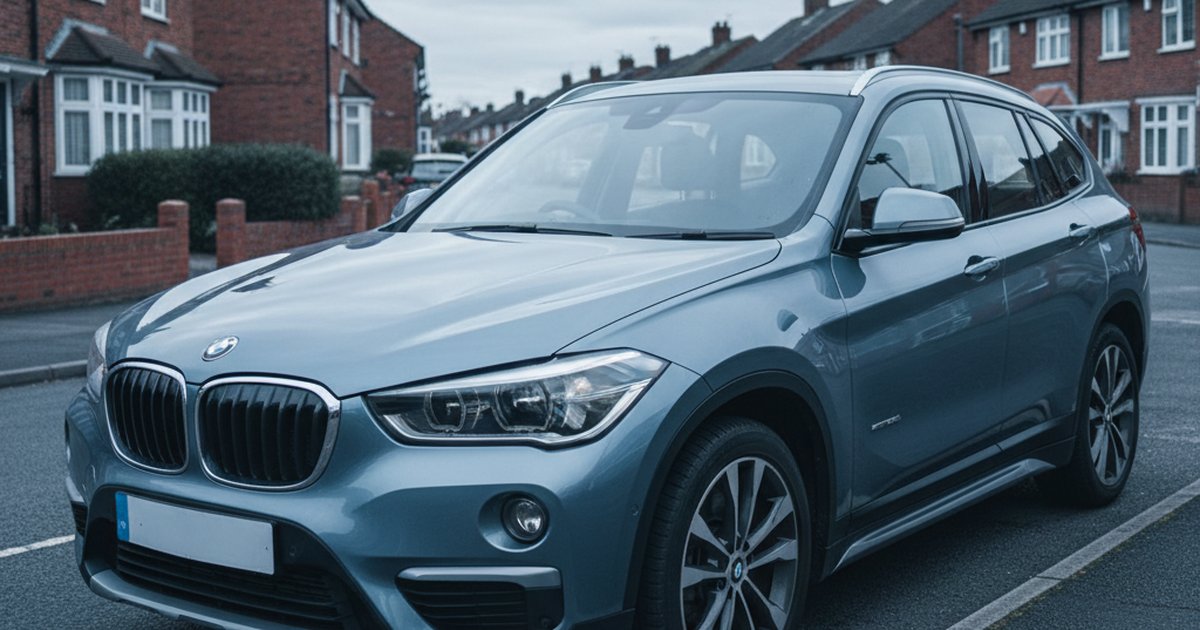
The BMW X1 sits in that awkward sweet spot where premium badge meets family practicality. Over 869,323 MOT tests across 111,028 vehicles tell us whether this compact SUV lives up to its upmarket reputation or just comes with upmarket repair bills.
The first-generation X1 (2010-2015) arrived when BMW was still mastering front-wheel-drive architecture, having spent decades building rear-drive cars. The second generation (2016-present) refined the formula. Our analysis of DVSA data reveals some uncomfortable truths about diesel reliability, along with a few petrol surprises worth your attention.
TL;DR: Petrol X1s consistently outperform diesels on reliability scores, with 2012 petrol models scoring 817/1000 versus just 654/1000 for diesel equivalents. Early diesels (2010-2014) show concerning dangerous defect rates above 43%, mostly suspension-related. If you're buying used, target 2016-2017 petrol models for the best balance of age and reliability.
Should you buy petrol or diesel?
The data settles this debate decisively. Every single model year shows petrol X1s scoring higher on reliability than their diesel counterparts, often by margins of 100 points or more. The 2012 petrol manages 817/1000 while the 2012 diesel limps to 654/1000. This pattern repeats throughout the range.
Petrol X1s also show dramatically lower dangerous defect rates. The 2011 diesel flags dangerous issues in 49.4% of tests, compared to just 17.2% for the petrol equivalent. Even accounting for higher diesel mileages, that's a significant safety gap.
Diesel owners cover more ground annually (typically 7,500-8,000 miles per year versus 5,000-6,500 for petrol), which partly explains the wear difference. But it doesn't excuse the suspension problems that plague diesel models. Worn suspension bushes appear in 14-16% of diesel tests across most years, suggesting the extra weight and torque of the diesel powertrain accelerates suspension degradation.
Running costs matter too: Petrol X1s average just 5,000-6,000 miles annually in real-world use, suggesting they're second cars or light-duty family vehicles. If you're not racking up motorway miles, diesel's theoretical efficiency advantage evaporates under the weight of DPF and EGR valve repairs.
What's wrong with 2010-2014 models?
The first-generation X1 diesel models from 2010-2014 share a troubling characteristic: dangerous defect rates hovering between 43-49%. That's nearly half of all vehicles flagged for safety-critical issues during their MOT tests. The DVSA MOT history checker confirms these as predominantly suspension and brake-related failures.
Worn suspension arms dominate the failure list, appearing in 15-16% of tests. These aren't minor advisory items. Excessively worn bushes compromise handling and braking stability. BMW's rear suspension design on this generation uses control arms with rubber bushes that deteriorate faster than expected, particularly on higher-mileage diesel models.
The 2010 diesel currently shows a median mileage of 115,548 miles with an average annual use of 7,745 miles. These are well-used examples now, and the MOT data suggests they're reaching the expensive maintenance phase. Pass rates of 82% mean nearly one in five tests ends in failure, which translates to predictable repair bills.
Even the first MOT pass rates tell a worrying story. The 2014 diesel manages just 86.5% first-time passes at age three, then degrades to 83.2% overall. That's a car that starts showing problems early and doesn't improve with age.
Did BMW fix the problems in 2016?
The second-generation X1 launched in 2016 brought measurable improvements. Dangerous defect rates dropped sharply: the 2016 diesel shows 22.0% versus 43.8% for the 2014 model. Petrol versions improved even more dramatically, falling from 29.0% to 17.4% between 2014 and 2016.
Suspension issues haven't disappeared entirely, but they're less prevalent. The 2016 models onwards show tyre wear and cracking as the dominant defects, which is more typical wear-and-tear rather than fundamental design problems. Brake pad replacements remain common (appearing in 8-10% of tests), but that's routine maintenance on any premium SUV.
First MOT pass rates improved slightly, with 2016 diesels achieving 89.9% and petrols hitting 92.2%. These are respectable figures that suggest better build quality and more durable components. The newer platform clearly benefited from BMW's experience with front-wheel-drive architecture.
However, reliability scores for 2016-2017 models still hover around 640-675/1000 for diesels and 666-711/1000 for petrols. That's mid-table performance, not class-leading. What Car? owner satisfaction surveys echo these findings, with X1 owners reporting higher-than-average maintenance costs compared to competitors like the Audi Q3 or Mercedes GLA.
Which years offer the best value?
The 2016-2017 petrol X1 represents the sweet spot. These models combine the second-generation improvements with enough age to be affordable, yet they're not old enough to face major component failures. Current median mileage sits around 48,000-52,000 miles with annual use of 5,400-5,700 miles, meaning you're buying a gently-used example with years of life remaining.
The 2016 petrol scores 711/1000 with a 90.4% pass rate and just 17.4% dangerous defect rate. That's genuinely good for a premium SUV. Average defects per test run at just 0.8, which is low friction ownership. You'll need tyres and brake pads on schedule, but you're not looking at surprise suspension rebuilds or complex engine repairs.
If budget allows, the 2020-2021 models show even better numbers. The 2021 diesel achieves 709/1000 (the highest diesel score in the entire range) with a dangerous defect rate of just 5.9%. Current mileage averages 34,710 miles, so you're buying nearly new capability at used prices.
Avoid the 2018-2019 petrol models despite their newness. Reliability scores drop to 611-612/1000, suggesting a bad batch or specific component issues in those years. The 2022 petrol continues this downward trend at 575/1000, which is concerning for such a new vehicle.
What actually goes wrong?
Tyre wear dominates the defect list across all years, appearing in 18-30% of tests. This isn't a BMW problem specifically. It reflects owners running tyres to the legal limit and slightly beyond. Premium tyres are expensive, and X1 owners clearly extract maximum value before replacement.
More telling are the suspension bush failures on 2010-2015 diesels. These aren't wear items that degrade predictably. They're components that should last 100,000+ miles but often fail sooner on X1s. The rear suspension design uses pressed-in bushes that can't be replaced individually, requiring complete arm replacement at £200-400 per corner in labour alone.
Brake pad wear appears consistently at 7-10% of tests, which is normal for a 1,600kg vehicle. What's less normal is the appearance of tyre bulges and structural failures in newer models, particularly the 2019 petrol (18.1% of tests) and 2022 petrol (15.5%). This suggests either poor-quality original equipment tyres or owners hitting potholes on the standard 18-19 inch wheel options.
Tyre perishing also appears frequently on 2016-2021 models, appearing in 12-22% of tests. This is calendar age degradation rather than mileage-related wear, affecting cars that sit unused or cover limited annual distances. Given the low annual mileage (5,000-6,500 miles for petrols), many X1s reach MOT age with barely 15,000 miles covered but six-year-old tyres that have hardened and cracked.
Are high-mileage diesels worth the risk?
The older diesel X1s sitting at 90,000-115,000 miles need careful evaluation. These cars averaged 7,500-7,800 miles annually, which is moderate rather than punishing motorway use. But the dangerous defect rates of 43-49% mean you're gambling on deferred maintenance.
A 2013 diesel currently averages 92,741 miles and scores just 640/1000 for reliability. First MOT pass rate was 87.0%, dropping to 83.2% overall, which shows accelerating degradation. Suspension bushes, brake pads and worn tyres combine to create a £1,000+ repair bill at MOT time if the previous owner deferred work.
The diesel particulate filter adds another layer of risk on these mileages. While the MOT doesn't directly test DPF function, the RAC reports DPF failures as a leading cause of diesel breakdowns. A replacement DPF costs £1,500-2,500 fitted, which is catastrophic on a car worth £6,000-8,000.
If you're considering a high-mileage diesel, budget £1,500-2,000 for immediate suspension and brake work. Get a compression test and DPF pressure reading before purchase. The low prices are tempting, but these are not cheap cars to run once the warranty expires.
Found a year you like? A good year still hides a clocked odometer, outstanding finance or a past write-off. Before you hand over any money, check the exact BMW X1.
Frequently asked questions
What's the most reliable BMW X1 year?
The 2012 petrol X1 scores highest at 817/1000 reliability with an 85.4% MOT pass rate and just 13.9% dangerous defects. However, it's now 12+ years old. For newer models, the 2021 diesel achieves 709/1000 and the 2016 petrol hits 711/1000.
Should I avoid diesel BMW X1 models?
Avoid 2010-2014 diesels entirely due to 43-49% dangerous defect rates and suspension problems. The 2016-2021 diesels improved significantly (dangerous defect rates of 8-22%), but petrol models still outscore them on reliability. Only consider diesel if you need the fuel economy and can afford preventative DPF and suspension maintenance.
What mileage is too high for a BMW X1?
Diesel X1s average 7,500-8,000 miles annually, so a 2016 model at 70,000 miles is typical. Above 90,000 miles, budget for suspension bush replacement (£600-1,200) and potential DPF issues on diesels. Petrol models average just 5,000-6,500 miles yearly, so a 2017 petrol at 50,000 miles is well-used but not concerning if service history is complete.
What are the most common MOT failures on the BMW X1?
Tyres worn to the legal limit appear in 18-30% of tests across all years. Worn suspension bushes affect 11-16% of 2010-2015 diesel tests. Brake pads need replacement in 7-10% of tests. Newer models (2016+) show tyre cracking and bulging in 12-22% of tests, often from age rather than mileage.
Our Verdict
The BMW X1 rewards careful year selection. Petrol consistently beats diesel on reliability, and the second-generation models (2016+) show meaningful improvements over the troubled 2010-2015 range. Target 2016-2017 petrol models if you want proven dependability, or stretch to a 2021 diesel if you absolutely need the fuel economy.
Before buying any used X1, use PlateInsight's vehicle checker to see the complete MOT history. Every user gets 5 free credits to run comprehensive checks on potential purchases. Our database of 261 million MOT records will show you exactly what failed, when, and whether the seller is being honest about the car's condition. Make an informed decision, not an expensive mistake.
You might also like
Check Any Vehicle's Full History
MOT results, mileage timeline, AI health score, and market valuations. New users get 5 free credits.