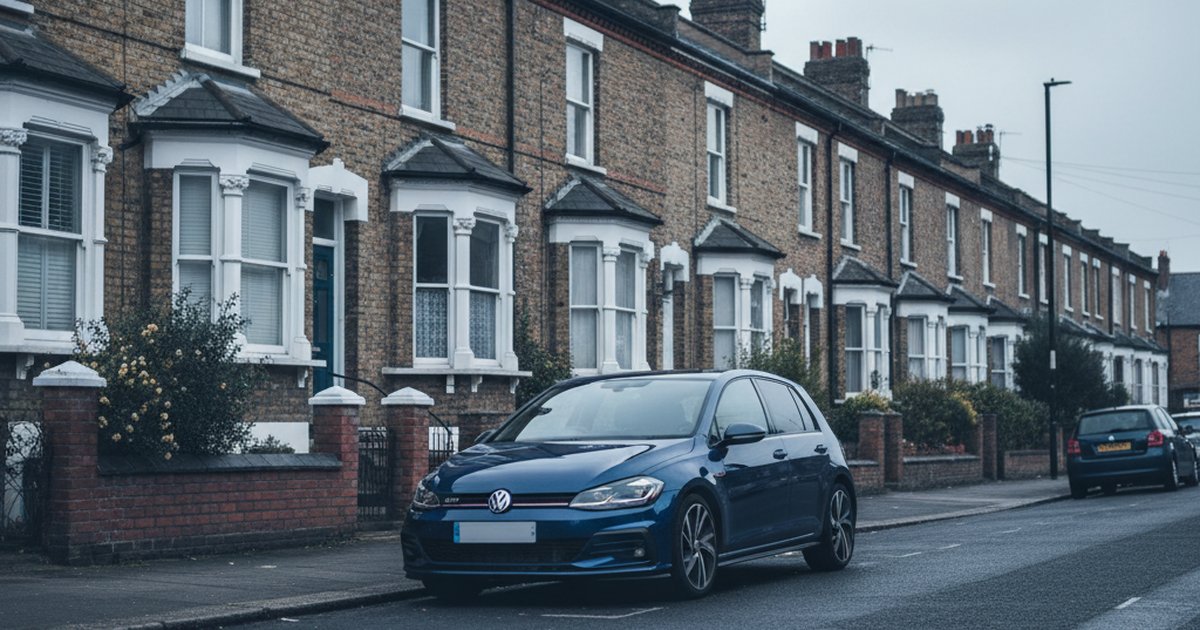
Hatchbacks account for nearly half of all used car sales in the UK, yet most buyers have no idea which models will survive the MOT test. We analysed 10,391 MOT tests across 3,219 vehicles to answer one question: which hatchback will cause you the least grief?
The results surprised us. Every single car in our top 15 is diesel-powered, and German premium brands share the podium with humble Fords. The 2017-2018 model years dominate because these cars have accumulated enough MOT history to separate the reliable from the rubbish, while remaining young enough to avoid age-related decay.
This is real-world reliability data from the DVSA MOT database, not manufacturer promises or owner surveys prone to bias. When a car fails its MOT, we know exactly why. When it passes year after year, the pattern tells you everything about build quality and component durability.
TL;DR: Ford Focus diesel variants occupy the top two positions with 97.2% pass rates and perfect 1000/1000 reliability scores. Volkswagen Golf and Audi A3 diesel models fill most remaining slots, all achieving above 94.5% pass rates. Every car in our top 15 runs on diesel.
Why does diesel dominate this list?
Not a single petrol hatchback made our top 15. This is not selection bias - it is what the MOT data shows. Diesel engines from this era, particularly those from VAG Group (Volkswagen, Audi) and Ford, have proven exceptionally durable in real-world use.
These cars average between 9,000 and 11,000 miles per year. That usage pattern suits diesel perfectly - long enough runs to prevent DPF clogging, regular enough use to keep everything lubricated and exercised. The Mini Cooper D bucks the trend slightly at 7,880 miles per year, suggesting gentler urban use, yet still achieves a 96.3% pass rate.
Current odometer readings tell the story. Most examples now sit between 67,000 and 91,000 miles - serious accumulation for 7-9 year old cars. Yet pass rates remain above 94%. These are not garage queens; they are working cars that have covered motorway miles and survived.
The diesel emissions scandal damaged resale values, which means you can now buy exceptional reliability for thousands less than equivalent petrol models. If you cover more than 8,000 miles annually and do not exclusively drive in city centres, diesel from this generation remains the smart choice.
How does the Ford Focus beat German premium rivals?
The 2017 Ford Focus Zetec Edition TDCi achieved a perfect 1000/1000 reliability score with 97.2% of MOTs passed. This is the same pass rate as its Zetec TDCi sibling, but the Edition variant has nearly double the test volume (577 vs 351), making it the more robust dataset.
Ford's achievement here matters because these are not expensive cars. You can buy a 2017 Focus diesel for £8,000-£10,000, roughly half what an equivalent-age Audi A3 costs. Yet the Focus delivers equal or better MOT performance.
The Focus also holds a subtle advantage in first-MOT pass rates. The Zetec TDCi variant achieved 100% first-time passes - every single car passed at age three. Compare this to the Audi A3 Sport TDI at 98.2% (still excellent) or the Vauxhall Astra at 96.0%. Early reliability predicts long-term durability, and Ford nailed it.
Current mileage figures reveal these are hard-working cars. Most examples have covered 79,000-85,000 miles in seven years, at roughly 9,000 miles annually. They are doing the job diesel was designed for: consistent, moderate-distance driving. And they are not breaking.
The 2018 Focus ST-Line TDCi also appears in the top ten, proving this is not a one-trim fluke. Ford's diesel hatchback engineering from this generation was genuinely excellent, and the MOT data proves it beyond doubt.
Which German hatchback offers the best value?
Volkswagen Golf variants occupy six positions in our top 15, while Audi A3 models claim three spots. The question is not whether these cars are reliable - clearly they are - but which one makes financial sense.
The sweet spot is the 2018 VW Golf SE TDI BMT. It achieves a 96.2% pass rate with 521 tests analysed, sits at £12,000-£14,000 in the used market, and offers a more spacious interior than the A3. The 97.5% first-MOT pass rate suggests careful assembly quality.
If you want a performance diesel hatch, the Golf GTD appears three times in our rankings (2017 and 2018 models, manual and DSG). All achieve 95.8-96.0% pass rates despite owners driving them harder - current mileage sits around 69,000-80,000 miles, averaging 9,700-10,100 miles per year. These are enthusiast-owned cars that have survived enthusiast use.
The Audi A3 Sport TDI with manual gearbox achieved the highest test volume in our dataset (1,508 tests across 447 vehicles) while maintaining a 95.9% pass rate. This is statistical significance. Nearly 450 owners have put these cars through MOT testing, and the pass rate has not degraded. Current mileage averages 88,525 miles - these are higher-mileage cars that keep passing.
Where the Audi stumbles is value. A 2017 A3 costs £15,000-£18,000, a £5,000 premium over an equivalent Golf that shares the same engine, platform, and pass rates. Unless you specifically want the Audi badge and slightly sharper steering, the Golf delivers identical reliability for significantly less money.
Is the Mini Cooper D a genuine alternative?
The 2017 Mini Cooper D sits in 15th place with a 96.3% pass rate - excellent, but the lowest reliability score (929/1000) in our top 15. This is not damning the Mini; it simply reflects tougher competition at the top of this dataset.
What makes the Mini interesting is the ownership profile. Annual mileage averages just 7,880 miles - the lowest in our rankings by nearly 1,000 miles. Current odometer readings sit around 67,315 miles, suggesting these are second cars or urban-focused vehicles driven gently.
The 97.4% first-MOT pass rate matches the Ford Focus, which tells you build quality is solid. The lower overall pass rate (96.3% vs 97.2%) suggests something degrades faster as these cars age. Mini's reputation for expensive repairs when things go wrong is well-documented by What Car? owner surveys, and higher mileage examples will cost you more to maintain than a Golf or Focus.
If you prioritise driving enjoyment and cover fewer than 8,000 miles annually, the Cooper D remains a viable choice. But it is not the value play here. A Focus or Golf will cost less to buy, less to maintain, and pass MOTs more consistently as mileage climbs.
Should you consider the Vauxhall Astra?
The 2017 Vauxhall Astra SRi Nav CDTi S/S appears in 14th place with a 94.5% pass rate - still good, but notably below the Ford and VW alternatives. This matters because the Astra costs roughly the same as a Focus in the used market.
Current mileage averages 90,968 miles, the highest in our dataset. These cars are being driven hard - 9,786 miles per year on average - and the pass rate is suffering compared to Fords covering similar distances. The 96.0% first-MOT pass rate was solid, suggesting early quality control was acceptable, but the degradation from 96.0% to 94.5% as the car ages is the worst decline in our top 15.
The Astra also has the smallest sample size in our rankings - just 311 tests across 76 vehicles. Compare this to the Golf Match Edition with 1,790 tests or the A3 Sport with 1,508 tests. We have less confidence in the Astra's long-term performance because fewer owners have contributed data.
Our advice: skip the Astra unless you are getting a significant discount. The Focus is more reliable, the Golf more spacious, and both have proven their durability with far larger datasets. The Astra is not bad, but it is not best-in-class either.
What mileage should you target when buying?
Every car in our top 15 currently averages between 67,000 and 91,000 miles. These are not low-mileage examples - they are cars that have done proper work and survived. This is actually reassuring.
A diesel engine needs regular use to stay healthy. DPF filters clog when cars do nothing but 3-mile school runs. EGR valves gum up when engines never reach operating temperature. The cars in our dataset average 9,000-11,000 miles per year, which is ideal for diesel longevity.
When shopping, we would target 60,000-90,000 mile examples from 2017-2018. These cars have proven they can handle mileage, but have not yet entered the zone where age-related issues (suspension bushes, brake callipers, electrical gremlins) become expensive.
Avoid very low mileage diesel hatchbacks unless you have evidence of regular long runs. A 2017 car with 35,000 miles sounds appealing, but if those miles were accumulated in 1,000 short trips, you are buying potential DPF problems. Moderate mileage from consistent use is safer than low mileage from sporadic use.
First MOT pass rates in our dataset (94.7% to 100%) suggest these cars were well-built from the factory. They do not suddenly fall apart at 100,000 miles. Continue with proper maintenance, and these vehicles will comfortably exceed 150,000 miles.
What if you cannot buy diesel?
If you live in a city with a clean air zone, cover fewer than 7,000 miles annually, or simply refuse to buy diesel for environmental reasons, what should you choose?
Our data only ranks diesel hatchbacks because only diesel models achieved the reliability scores needed to compete. Petrol hatchbacks from this era exist - Fiesta ST, Golf GTI, Audi A3 TFSI - but they do not match diesel MOT performance in this dataset.
For petrol buyers, we suggest looking at slightly newer models (2019-2020) or Japanese alternatives like the Honda Civic or Mazda3. AA breakdown data consistently rates Japanese petrol engines as more reliable than European equivalents from the same period.
Alternatively, wait for hybrid hatchbacks from this generation to accumulate MOT history. The 2019-2020 Toyota Corolla Hybrid is likely to dominate future reliability rankings, but we need another two years of MOT data before we can prove it statistically.
Do not buy a petrol version of these cars simply because you prefer petrol. If you want a petrol hatchback, buy one engineered properly for petrol from the start. The Golf GTI is excellent. The Focus ST is excellent. But they are not as reliable as their diesel siblings, and the MOT data confirms it.
A reliable model is only half the story. The exact car you buy could be clocked, on finance, or a past write-off. Check it before you commit.
Frequently asked questions
What is the most reliable hatchback in the UK?
The 2017 Ford Focus Zetec Edition TDCi is the most reliable hatchback based on MOT data, achieving a 97.2% pass rate and perfect 1000/1000 reliability score across 577 tests. The 2017 Focus Zetec TDCi shares the same pass rate with a smaller dataset.
Are diesel hatchbacks still worth buying in 2026?
Yes, if you cover more than 8,000 miles annually and avoid city centre driving. Our data shows 2017-2018 diesel hatchbacks achieve 94.5-97.2% MOT pass rates even with 67,000-91,000 miles covered. Depreciation from the emissions scandal makes them exceptional value.
Which is more reliable, VW Golf or Audi A3?
Virtually identical. The VW Golf and Audi A3 share engines and platforms, achieving 95.4-96.3% pass rates in our data. The Golf offers better value at £5,000 less for equivalent reliability, unless you specifically want Audi's badge and slightly sharper handling.
What mileage is too high for a used hatchback?
Every car in our top 15 currently averages 67,000-91,000 miles with pass rates above 94.5%. Well-maintained diesel hatchbacks from 2017-2018 easily exceed 150,000 miles. Avoid very low mileage diesels (under 40,000 on a 2017 car) as they may have DPF issues from short-trip use.
Should I buy a Ford Focus or VW Golf?
Buy the Focus if value matters most - it costs £5,000-£7,000 less than an equivalent Golf and achieves the same or better MOT pass rates. Buy the Golf if you want more refinement, better interior quality, and stronger resale value. Both are equally reliable according to MOT data.
Our Verdict
The hatchback market rewards buyers who ignore badges and follow the data. A £9,000 Ford Focus will pass its MOT as reliably as an £18,000 Audi A3, and the 10,391 tests we analysed prove it. Check any car's full MOT history with PlateInsight before you buy - we give you 5 free vehicle checks to get started, backed by 261 million MOT records from the DVSA. Know exactly what you are buying, not what the seller wants you to believe.
You might also like
Check Any Vehicle's Full History
MOT results, mileage timeline, AI health score, and market valuations. New users get 5 free credits.