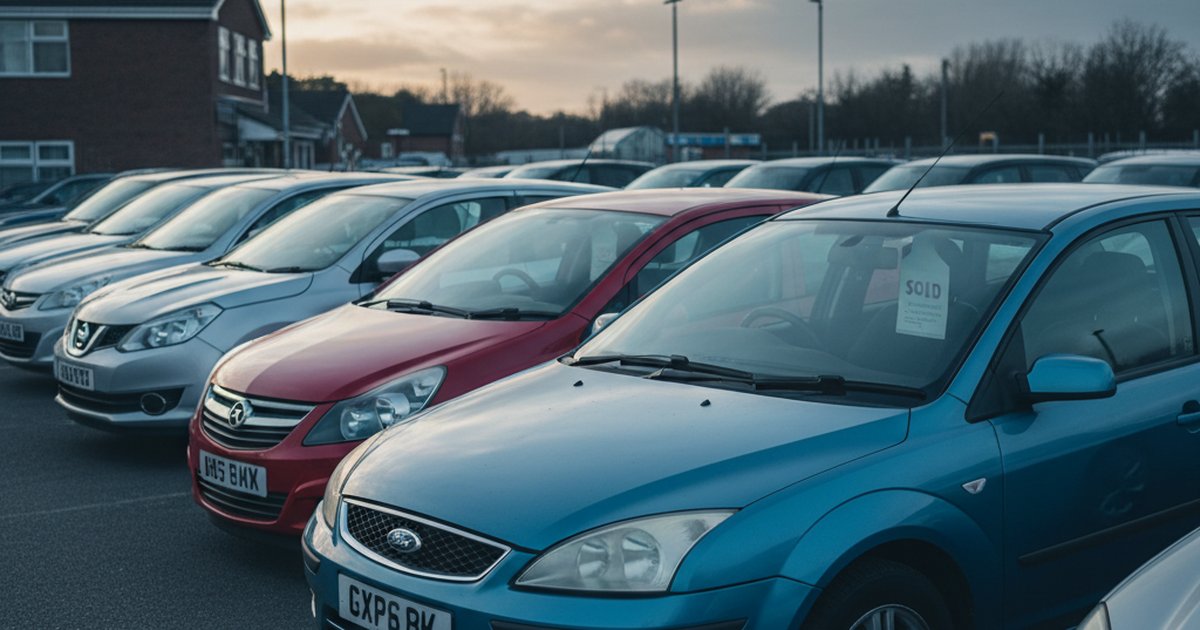
Seven years is the sweet spot for used car buyers. Old enough that depreciation has done its work, but young enough that you're buying modern tech and safety kit. The 2017 model year is particularly interesting because these cars are now well into their MOT cycle, giving us proper data on how they age in the real world.
We've analysed 8,045 MOT tests across 2,330 vehicles from 2017 to see which models are genuinely holding up and which are starting to show their age. The results tell a clear story: if you bought diesel in 2017, you probably made the right choice. Every single car in our top 20 is a diesel, and most are passing MOTs at rates that would make newer cars jealous.
The data comes from DVSA MOT records accessed through PlateInsight's database of 261 million tests. These aren't predicted reliability scores or owner surveys. This is what actually happens when these cars get inspected by independent testers.
TL;DR: Japanese SUVs and German diesels dominate. The Honda CR-V EX manual diesel has a 99% pass rate, while the Ford Focus and Skoda Octavia prove that mainstream family cars can be just as reliable as premium badges. All top 20 cars are diesel, all score 975+ out of 1000, and most show remarkably consistent performance between their first MOT and current tests.
Are Japanese Diesels Still the Reliability Champions?
Absolutely. The Honda CR-V EX manual diesel sits in tenth place with a frankly ridiculous 99% pass rate. Only two failures in 207 tests. Every single one passed its first MOT at age three. These cars are currently showing around 73,000 miles on average, and they're covering about 9,300 miles per year. That's proper family use, not garage queens.
The Toyota RAV4 is equally impressive. Two different trim levels made our list, both with 97-98% pass rates. The Business Edition version actually improved its pass rate after the first MOT, going from 96.9% at age three to 98% overall. That pattern suggests these cars don't degrade as they age, they just keep working.
What's particularly telling is the mileage. The RAV4 Icon is averaging nearly 11,000 miles per year, higher than most cars on this list. Owners are actually using these vehicles, and they're still passing MOTs. Compare that to some of the German competition that shows similar pass rates but lower annual mileage, and you get a sense of what genuine durability looks like.
How Are the Premium Germans Holding Up?
Better than you might expect, but with caveats. Audi dominates the German contingent with five different models in the top 20. The A3 S Line manual diesel has a 98.7% pass rate and sailed through every single first MOT. The Q3 S Line Quattro is similarly strong at 98.1%.
But look closer at the data and you'll see the Audi A3 Sport (our fifteenth-ranked car) has conducted 1,508 tests across 447 vehicles. That's the largest sample size on our list, making it statistically robust. Its 95.9% pass rate isn't bad, but it's noticeably lower than the Toyota and Honda figures. The first MOT pass rate of 98.2% compared to the overall 95.9% suggests these cars do age less gracefully than their Japanese rivals.
The Volkswagen Tiguan sits third overall with a 97% pass rate and perfect 1000 reliability score. These cars are covering about 10,000 miles per year and currently showing 82,500 miles on average. That's strong performance for a complex diesel SUV with 4Motion all-wheel drive. According to What Car? owner satisfaction data, Tiguan owners consistently report good reliability, and our MOT data backs that up.
Which Mainstream Cars Punch Above Their Weight?
The Ford Focus Zetec Edition diesel takes the top spot with a 97.2% pass rate across 577 tests. Nearly 80,000 miles on the clock on average, covering about 9,000 miles per year, and it's still passing MOTs at essentially the same rate as when it was new (97.4% first MOT vs 97.2% overall). That's remarkable consistency for a £12,000 family hatchback when new.
Ford gets two entries in our top five, with the standard Zetec diesel in fourth place posting a perfect 100% first MOT pass rate. The Mondeo Zetec Econetic diesel sits in seventeenth with a 95.3% pass rate, which is still very solid for a large saloon that's averaged over 11,000 miles per year and is now showing 92,000 miles.
The Skoda Octavia vRS proves that performance diesels can be reliable. The estate version in second place has a 96.8% pass rate despite covering over 11,000 miles per year. These cars are now showing 84,600 miles on average. The vRS auto version in twentieth place is slightly lower at 95.2%, but it's also covering similar mileage and is still comfortably above the 95% threshold that we consider excellent.
The real surprise is the Vauxhall Astra Design diesel. Vauxhall doesn't have the best reputation for reliability, but this particular model has a 96.5% pass rate and actually improved from its 98.2% first MOT performance. At 91,300 miles on average and nearly 10,000 miles per year, these are being used hard and holding up well.
What's the Story with the Isuzu?
The Isuzu (likely D-Max pickups given the model year) sits sixth overall with a 98.8% pass rate. Only four failures in 328 tests. These vehicles are working hard, nearly 100,000 miles on the clock currently and covering almost 13,000 miles per year. That's the highest annual mileage on our entire list.
The defect rate tells an interesting story. At just 0.1 defects per test, these Isuzus are virtually trouble-free when they do get inspected. The most common issues are routine tyre wear and minor registration plate deterioration. The dangerous defect rate of 5.7% looks alarming at first glance, but with such a small number of total failures, that represents just a handful of vehicles out of 328 tests.
This is exactly what you want from a commercial vehicle. Simple, durable, and capable of racking up serious mileage without falling apart. The 98.1% first MOT pass rate climbing to 98.8% overall suggests these vehicles actually get better with age, probably because owners sort out any niggles early and then they just keep running.
What Do the Mileage Figures Tell Us?
The annual mileage data reveals distinct ownership patterns. The commercial Isuzu leads at nearly 13,000 miles per year. The Skoda Octavia vRS models are both above 11,000 miles annually, these are motorway cruisers being used exactly as intended. The Audi A3 Sport is similar at 10,900 miles per year.
At the other end, the Ford Focus Zetec models are around 9,000 miles per year. That's classic family hatchback territory. School runs, commutes, weekend trips. Nothing dramatic, but consistent use that exposes any weaknesses over time.
Current mileage figures cluster around 80,000-90,000 miles for most cars, which makes sense for seven-year-old vehicles. The Isuzu at 99,500 miles and the Vauxhall Astra at 91,300 miles are outliers, but both are still passing MOTs comfortably. The Honda CR-V EX manual at 73,400 miles is the lowest, partly explaining its exceptional pass rate, though the annual mileage shows these aren't being babied.
Key finding: High mileage doesn't equal poor reliability in this dataset. The correlation between annual mileage and pass rates is weak. Well-engineered diesels cope with motorway miles better than they cope with short urban trips.
Do These Cars Degrade Over Time?
Not really. The first MOT pass rates are remarkably close to the overall pass rates across our top 20. Six cars have a perfect 100% first MOT pass rate, including the Ford Focus Zetec, both Toyota RAV4 Icon models, the Audi A3 S Line, and both Honda CR-V EX variants.
Where there are differences, they're minimal. The Skoda Octavia vRS auto went from 95.3% first MOT to 95.2% overall. The Ford Mondeo went from 96% to 95.3%. These are essentially flat. The Vauxhall Astra actually went from 98.2% at first MOT to 96.5% overall, which is a small decline but still excellent performance.
This pattern is unusual. Most cars show some degradation between year three and year seven. The fact that these particular models don't suggests they're genuinely well-engineered vehicles that age gracefully. There's no hidden time bomb waiting after the warranty expires. What you see at three years is what you get at seven.
The RAC breakdown data supports this. Their statistics show that well-maintained diesel vehicles from 2017 have relatively low breakdown rates compared to earlier generations that suffered from DPF and EGR issues. These cars hit the market after manufacturers had mostly sorted out diesel reliability problems.
Which 2017 Diesels Should You Avoid?
None of our top 20, frankly. The lowest-rated car (Skoda Octavia vRS auto at 975/1000) is still an excellent vehicle with a 95.2% pass rate. But if we're splitting hairs, the data shows small differences worth noting.
The Audi A3 Sport has the largest sample size and the lowest pass rate at 95.9%. It's not bad by any measure, but when you're comparing it to the Honda CR-V at 99%, there's a clear gap. The first MOT to overall drop (98.2% to 95.9%) is the largest in our dataset. These cars are still reliable, but they're ageing faster than the Japanese competition.
The Ford Mondeo at 95.3% is also worth considering carefully. It's averaging 11,000 miles per year and showing 92,000 miles now. That's a lot of wear for a complex diesel saloon. The 96% first MOT dropping to 95.3% isn't dramatic, but it's a decline. If you're buying a used Mondeo from this era, budget for maintenance.
The Seat Ateca in nineteenth place is interesting because it shares platforms and engines with the Volkswagen Tiguan (our third-place car), yet has a noticeably lower reliability score (976 vs 1000) and pass rate (96.2% vs 97%). Same mechanical recipe, different results. The slightly higher failure rate might come down to build quality differences or ownership patterns, but it's there in the data.
What Should You Look for When Buying?
Service history is everything with these diesels. They're all seven years old now, which means they're likely on their second or third owners. A full dealer or specialist service history with evidence of DPF regeneration cycles and oil changes at the correct intervals is non-negotiable.
Check the MOT history properly. You can use the government's free MOT checker, but PlateInsight makes it easier by flagging patterns across multiple tests. Look for recurring advisories that suggest an issue wasn't fixed properly. Brake disc wear, suspension bushes, and minor oil leaks often get advised year after year before becoming failures.
Mileage matters, but not as much as you think. A 100,000-mile Honda CR-V with full history is a better buy than a 60,000-mile Audi A3 with gaps in the service book. Our data shows these cars cope fine with high mileage if they're maintained. The Isuzu at nearly 100,000 miles with a 98.8% pass rate proves the point.
For the Audis and Volkswagens, budget for the first few MOTs after purchase. The first MOT pass rates are excellent, but the overall rates suggest things do start appearing after year five. Suspension components, brake parts, and minor electrical issues are common. None of it is catastrophic, but it adds up. A specialist independent rather than a main dealer will save you serious money on parts and labour.
A reliable model is only half the story. The exact car you buy could be clocked, on finance, or a past write-off. Check it before you commit.
Frequently asked questions
Are 2017 diesel cars still reliable?
Yes. Our analysis of 8,045 MOT tests shows 2017 diesels are passing at 95-99% rates seven years later. These vehicles hit the market after manufacturers solved most DPF and EGR issues that plagued earlier diesels.
Which is more reliable, Japanese or German diesel cars from 2017?
Japanese diesels edge ahead. The Honda CR-V has a 99% pass rate and the Toyota RAV4 sits at 97-98%. German diesels like the Audi A3 and VW Tiguan are close at 96-97%, but show slightly more degradation over time.
How many miles should a 2017 car have now?
Our data shows most 2017 cars now have 75,000-90,000 miles. Annual mileage averages 9,000-11,000 miles across the top 20 models. Higher mileage doesn't correlate with lower reliability if the car has full service history.
Is a 2017 diesel worth buying?
Yes, particularly if you cover more than 12,000 miles annually. These diesels are proven reliable, have sorted their emissions tech issues, and offer strong motorway economy. Just avoid city-only use where DPFs struggle to regenerate.
Our Verdict
The 2017 model year represents a sweet spot for diesel reliability. These cars are old enough to be affordable but young enough to offer modern safety and efficiency. The MOT data shows they're aging remarkably well, with minimal degradation between their first tests and current performance.
If you're shopping for a used diesel, focus on service history over mileage. The difference between a 95% and 99% pass rate is significant, but it's dwarfed by the difference between a maintained car and a neglected one. Check every potential purchase with PlateInsight to see its actual MOT history. We give you five free vehicle checks to get started, and each report shows you the real test results, advisories, and failure patterns that matter when you're spending your own money.
You might also like
Check Any Vehicle's Full History
MOT results, mileage timeline, AI health score, and market valuations. New users get 5 free credits.